
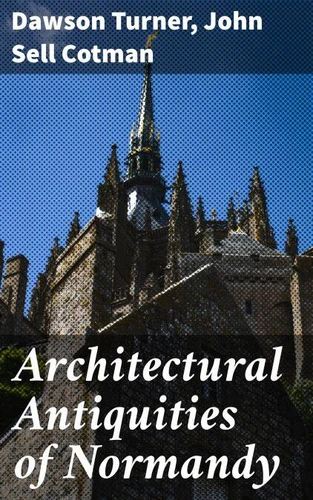
Architectural Antiquities of Normandy. Exploring Normandy's Architectural Legacy: An Artistic Journey through Gothic and Romanesque Structures
Par : ,Formats :
Disponible dans votre compte client Decitre ou Furet du Nord dès validation de votre commande. Le format ePub est :
- Compatible avec une lecture sur My Vivlio (smartphone, tablette, ordinateur)
- Compatible avec une lecture sur liseuses Vivlio
- Pour les liseuses autres que Vivlio, vous devez utiliser le logiciel Adobe Digital Edition. Non compatible avec la lecture sur les liseuses Kindle, Remarkable et Sony
 , qui est-ce ?
Notre partenaire de plateforme de lecture numérique où vous retrouverez l'ensemble de vos ebooks gratuitement
Pour en savoir plus sur nos ebooks, consultez notre aide en ligne ici
C'est si simple ! Lisez votre ebook avec l'app Vivlio sur votre tablette, mobile ou ordinateur :

- Nombre de pages2993
- FormatePub
- ISBN4057664638779
- EAN4057664638779
- Date de parution22/11/2019
- Protection num.Digital Watermarking
- Taille4 Mo
- Infos supplémentairesepub
- ÉditeurGOOD PRESS
Résumé
Architectural Antiquities of Normandy presents a remarkable survey of the medieval edifices that define the region's storied past. The anthology captures a diverse array of styles and techniques, offering readers a glimpse into the realm where art and architecture intersect. Standout pieces in the collection shed light on the intricate details and grand designs that have withstood the test of time.
The editors have expertly curated this collection to highlight the splendor and historical significance of Normandy's architectural heritage, making it an essential resource for scholars and enthusiasts alike. Contributors Dawson Turner and John Sell Cotman bring their rich expertise in history and art to the forefront, assembling works that align with the growing 19th-century interest in medieval revival and antiquarian studies.
Their selection is a testament to the endurance of Gothic and Romanesque influences, providing insights into the nuanced aesthetics that characterized the period. By juxtaposing styles that range from grandiose cathedrals to humble chapels, the anthology reflects the enduring cultural importance and stylistic evolution of Norman architecture. For those eager to explore the architectural grandeur of Normandy, this collection offers an unparalleled scholarly expedition.
The volume stands as a multifaceted exploration of both art and history, presenting a rich tapestry of perspectives from Turner and Cotman. It is an educational treasure trove for those interested in the dynamics of historical preservation and the dialogue between past and present architectural endeavors. Dive into this anthology to experience a world where creativity transcends time, allowing the marvels of Norman architecture to continue inspiring contemporary discourse and appreciation.
The editors have expertly curated this collection to highlight the splendor and historical significance of Normandy's architectural heritage, making it an essential resource for scholars and enthusiasts alike. Contributors Dawson Turner and John Sell Cotman bring their rich expertise in history and art to the forefront, assembling works that align with the growing 19th-century interest in medieval revival and antiquarian studies.
Their selection is a testament to the endurance of Gothic and Romanesque influences, providing insights into the nuanced aesthetics that characterized the period. By juxtaposing styles that range from grandiose cathedrals to humble chapels, the anthology reflects the enduring cultural importance and stylistic evolution of Norman architecture. For those eager to explore the architectural grandeur of Normandy, this collection offers an unparalleled scholarly expedition.
The volume stands as a multifaceted exploration of both art and history, presenting a rich tapestry of perspectives from Turner and Cotman. It is an educational treasure trove for those interested in the dynamics of historical preservation and the dialogue between past and present architectural endeavors. Dive into this anthology to experience a world where creativity transcends time, allowing the marvels of Norman architecture to continue inspiring contemporary discourse and appreciation.