1919 is often recalled as the year of the Winnipeg General Strike, but it was also the year that water from Shoal Lake first flowed in Winnipeg taps. For the Anishinaabe community of Shoal Lake 40 First Nation, construction of the Winnipeg Aqueduct led to a chain of difficult circumstances that culminated in their isolation on an artificial island where, for almost two decades, they have lacked access to clean drinking water.
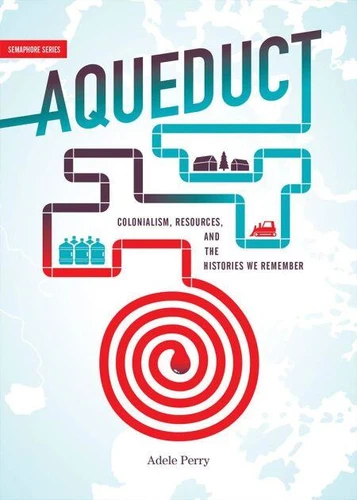
In Aqueduct: Colonialism, Resources, and the Histories We Remember, Adele Perry analyses the development of Winnipeg's municipal water supply as an example of the history of settler colonialism.
Drawing from a rich archive of historical sources, this timely book exposes the cultural, social, political, and legal mechanisms that allowed the rapidly growing city of Winnipeg to obtain its water supply by dispossessing an Indigenous people of their land, and ultimately depriving them of the very commodity--clean drinking water--that the city secured for itself.
1919 is often recalled as the year of the Winnipeg General Strike, but it was also the year that water from Shoal Lake first flowed in Winnipeg taps. For the Anishinaabe community of Shoal Lake 40 First Nation, construction of the Winnipeg Aqueduct led to a chain of difficult circumstances that culminated in their isolation on an artificial island where, for almost two decades, they have lacked access to clean drinking water.
In Aqueduct: Colonialism, Resources, and the Histories We Remember, Adele Perry analyses the development of Winnipeg's municipal water supply as an example of the history of settler colonialism.
Drawing from a rich archive of historical sources, this timely book exposes the cultural, social, political, and legal mechanisms that allowed the rapidly growing city of Winnipeg to obtain its water supply by dispossessing an Indigenous people of their land, and ultimately depriving them of the very commodity--clean drinking water--that the city secured for itself.