SOLDES
Jusqu'à -70% sur une sélection d'articles*

Nouveauté
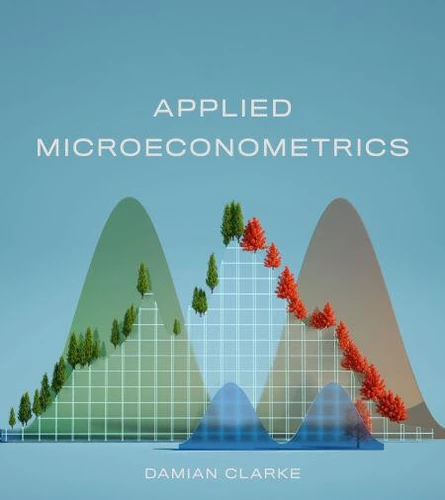
Applied Microeconometrics
Par :Formats :
Disponible dans votre compte client Decitre ou Furet du Nord dès validation de votre commande. Le format ePub protégé est :
- Compatible avec une lecture sur My Vivlio (smartphone, tablette, ordinateur)
- Compatible avec une lecture sur liseuses Vivlio
- Pour les liseuses autres que Vivlio, vous devez utiliser le logiciel Adobe Digital Edition. Non compatible avec la lecture sur les liseuses Kindle, Remarkable et Sony
- Non compatible avec un achat hors France métropolitaine
 , qui est-ce ?
Notre partenaire de plateforme de lecture numérique où vous retrouverez l'ensemble de vos ebooks gratuitement
Pour en savoir plus sur nos ebooks, consultez notre aide en ligne ici
C'est si simple ! Lisez votre ebook avec l'app Vivlio sur votre tablette, mobile ou ordinateur :

- Nombre de pages384
- FormatePub
- ISBN978-0-262-05366-2
- EAN9780262053662
- Date de parution09/06/2026
- Protection num.Adobe DRM
- Taille20 Mo
- Infos supplémentairesepub
- ÉditeurThe MIT Press
Résumé
A rigorous, cutting-edge overview of the range of methods used to conduct causal inference in the social sciences. This textbook provides a lucid, rigorous, and cutting-edge overview of the methods used to conduct causal inference in the social sciences, covering all the core techniques and latest advances. Offering a detailed survey of the current state of microeconometric theory, Damian Clarke delves deeply into machine learning applications and presents developments in difference-in-difference methods, instrumental variables, multiple hypothesis testing, and other advanced topics.
With a diverse range of examples and exercises offering hands-on experience, Applied Microeconometrics equips graduate students and researchers to apply state-of-the art scholarship to actionable problems. Integrates a rich array of machine learning methods into causal modeling frameworks Covers recent advances in difference-in-differences and dynamic research designs, formal discussions of challenges related to inference and hypothesis testing, and heterogeneity analysis Features a breadth of real-world examples from recent papers Includes coding implementation in Python, R, and Stata
With a diverse range of examples and exercises offering hands-on experience, Applied Microeconometrics equips graduate students and researchers to apply state-of-the art scholarship to actionable problems. Integrates a rich array of machine learning methods into causal modeling frameworks Covers recent advances in difference-in-differences and dynamic research designs, formal discussions of challenges related to inference and hypothesis testing, and heterogeneity analysis Features a breadth of real-world examples from recent papers Includes coding implementation in Python, R, and Stata