SOLDES
Jusqu'à -70% sur une sélection d'articles*

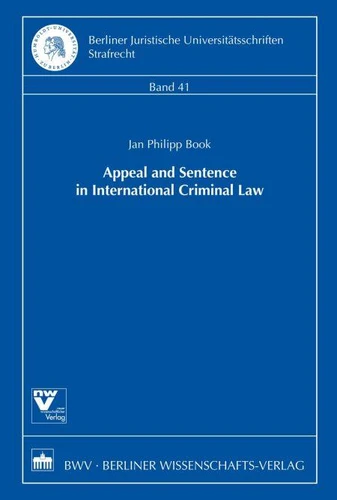
Appeal and Sentence in International Criminal Law
Par :Formats :
Disponible dans votre compte client Decitre ou Furet du Nord dès validation de votre commande. Le format PDF est :
- Compatible avec une lecture sur My Vivlio (smartphone, tablette, ordinateur)
- Compatible avec une lecture sur liseuses Vivlio
- Pour les liseuses autres que Vivlio, vous devez utiliser le logiciel Adobe Digital Edition. Non compatible avec la lecture sur les liseuses Kindle, Remarkable et Sony
 , qui est-ce ?
Notre partenaire de plateforme de lecture numérique où vous retrouverez l'ensemble de vos ebooks gratuitement
Pour en savoir plus sur nos ebooks, consultez notre aide en ligne ici
C'est si simple ! Lisez votre ebook avec l'app Vivlio sur votre tablette, mobile ou ordinateur :

- Nombre de pages324
- FormatPDF
- ISBN978-3-8305-2716-9
- EAN9783830527169
- Date de parution15/08/2012
- Protection num.Digital Watermarking
- Taille7 Mo
- Infos supplémentairespdf
- ÉditeurBWV
Résumé
The International Tribunals for the former Yugoslavia and Rwanda hold far-reaching sentencing powers. At the same time, consistency and fairness in sentencing are of utmost important to the practice of the Tribunals. Accordingly, the sentencing powers of the Tribunals demand for a system of control. One crucial procedural safeguard to facilitate such control is the scrutiny exercised by the Appeals Chamber.
This study analyses both sentencing and appellate law in the International Tribunals. Its fundamental objective is to ensure consistency in punishment by means of appellate review.°°The study analyses the substantive guidelines for the sentencing decision and describes how these have evolved in the practice of the Tribunals. It then explores the nature and scope of the appeal. In doing so it examines the most important procedural devices and instruments and assesses their practical importance to the appellate process.
Finally, it analyses the importance the respective practice of the Tribunals will hold for the future practice of the International Criminal Court.
This study analyses both sentencing and appellate law in the International Tribunals. Its fundamental objective is to ensure consistency in punishment by means of appellate review.°°The study analyses the substantive guidelines for the sentencing decision and describes how these have evolved in the practice of the Tribunals. It then explores the nature and scope of the appeal. In doing so it examines the most important procedural devices and instruments and assesses their practical importance to the appellate process.
Finally, it analyses the importance the respective practice of the Tribunals will hold for the future practice of the International Criminal Court.