SOLDES
Jusqu'à -70% sur une sélection d'articles*

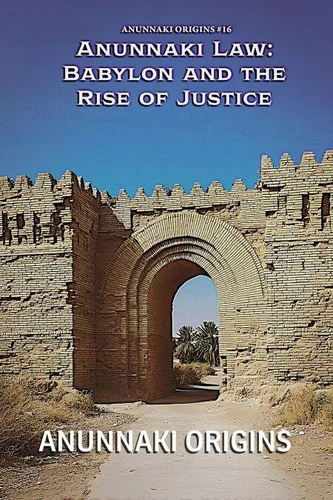
Anunnaki Law: Babylon and the Rise of Justice. Anunnaki Origins, #16
Par :Formats :
Disponible dans votre compte client Decitre ou Furet du Nord dès validation de votre commande. Le format ePub est :
- Compatible avec une lecture sur My Vivlio (smartphone, tablette, ordinateur)
- Compatible avec une lecture sur liseuses Vivlio
- Pour les liseuses autres que Vivlio, vous devez utiliser le logiciel Adobe Digital Edition. Non compatible avec la lecture sur les liseuses Kindle, Remarkable et Sony
 , qui est-ce ?
Notre partenaire de plateforme de lecture numérique où vous retrouverez l'ensemble de vos ebooks gratuitement
Pour en savoir plus sur nos ebooks, consultez notre aide en ligne ici
C'est si simple ! Lisez votre ebook avec l'app Vivlio sur votre tablette, mobile ou ordinateur :

- FormatePub
- ISBN8233255304
- EAN9798233255304
- Date de parution10/03/2026
- Protection num.pas de protection
- Infos supplémentairesepub
- ÉditeurLinda Balsamo
Résumé
In the ancient world, justice was not simply a matter of courts and punishments-it was believed to descend from the gods themselves. In Anunnaki Law: Babylon and the Rise of Justice, readers enter the dramatic world of ancient Mesopotamia, where the earliest cities struggled to transform power into order and chaos into civilization. At the center of this transformation stood Babylon and its legendary king, Hammurabi, whose laws-carved into stone-claimed to reflect the will of the Anunnaki, the divine assembly believed to govern the cosmos.
In this world, law was more than human policy; it was the architecture of a sacred universe. Drawing on history, archaeology, and ancient inscriptions, this book explores how Babylon rose from a regional city to become a powerful center of law, religion, and royal authority. It reveals how temples, kingship, and legal traditions merged to create one of the earliest visions of justice in human history-a system in which the king ruled as the earthly representative of divine order.
Through the story of Hammurabi and the world that produced him, readers discover how the idea of justice emerged from myth, power, and belief to shape the foundations of civilization itself.
In this world, law was more than human policy; it was the architecture of a sacred universe. Drawing on history, archaeology, and ancient inscriptions, this book explores how Babylon rose from a regional city to become a powerful center of law, religion, and royal authority. It reveals how temples, kingship, and legal traditions merged to create one of the earliest visions of justice in human history-a system in which the king ruled as the earthly representative of divine order.
Through the story of Hammurabi and the world that produced him, readers discover how the idea of justice emerged from myth, power, and belief to shape the foundations of civilization itself.
A propos de ANUNNAKI ORIGINS




8,99 €
8,99 €

8,99 €
8,99 €
4,49 €
8,99 €