SOLDES
Jusqu'à -70% sur une sélection d'articles*

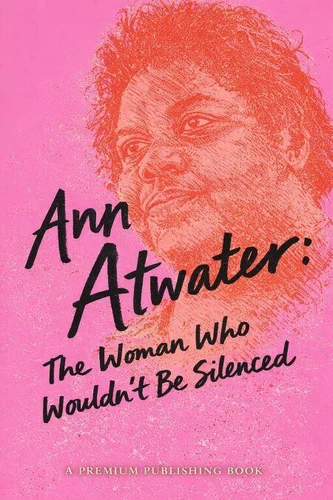
Ann Atwater: The Woman Who Wouldn't Be Silenced
Par :Formats :
Disponible dans votre compte client Decitre ou Furet du Nord dès validation de votre commande. Le format ePub est :
- Compatible avec une lecture sur My Vivlio (smartphone, tablette, ordinateur)
- Compatible avec une lecture sur liseuses Vivlio
- Pour les liseuses autres que Vivlio, vous devez utiliser le logiciel Adobe Digital Edition. Non compatible avec la lecture sur les liseuses Kindle, Remarkable et Sony
 , qui est-ce ?
Notre partenaire de plateforme de lecture numérique où vous retrouverez l'ensemble de vos ebooks gratuitement
Pour en savoir plus sur nos ebooks, consultez notre aide en ligne ici
C'est si simple ! Lisez votre ebook avec l'app Vivlio sur votre tablette, mobile ou ordinateur :

- FormatePub
- ISBN8233081156
- EAN9798233081156
- Date de parution28/02/2026
- Protection num.pas de protection
- Infos supplémentairesepub
- ÉditeurLinda Balsamo
Résumé
Ann Atwater didn't rise from a podium. She rose from a neighborhood where leaking ceilings, unfair landlords, and ignored families were treated as normal. In Durham, North Carolina, she became the organizer who would not accept "that's just how it is" as an answer. Ann Atwater: The Woman Who Wouldn't Be Silenced is a deeply researched biography of a working-class civil rights leader whose legacy is often reduced to a single dramatic moment.
This book restores the full story: Atwater's fight for housing justice, her leadership in anti-poverty organizing, and her role in the 1971 community charrette that sought to prevent violence and stabilize school desegregation-work that demanded negotiation without pretending power differences did not exist. Written in a humanistic academic tone, this biography follows the long arc of a life shaped by poverty, sharpened by civic confrontation, and sustained by service.
It examines how Atwater built credibility where institutions had failed, how she faced backlash for leading without softness, and how she continued mentoring and community work long after the headlines moved on.
This book restores the full story: Atwater's fight for housing justice, her leadership in anti-poverty organizing, and her role in the 1971 community charrette that sought to prevent violence and stabilize school desegregation-work that demanded negotiation without pretending power differences did not exist. Written in a humanistic academic tone, this biography follows the long arc of a life shaped by poverty, sharpened by civic confrontation, and sustained by service.
It examines how Atwater built credibility where institutions had failed, how she faced backlash for leading without softness, and how she continued mentoring and community work long after the headlines moved on.