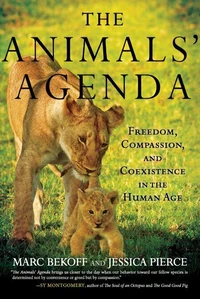
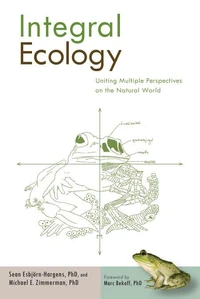
Nonhuman animals have many of the same feelings we do. They get hurt, they suffer, they are happy, and they take care of each other. Marc Bekoff, a renowned biologist specializing in animal minds and emotions, guides readers from high school age up-including older adults who want a basic introduction to the topic-in looking at scientific research, philosophical ideas, and humane values that argue for the ethical and compassionate treatment of animals.
Citing the latest scientific studies and tackling controversies with conviction, he zeroes in on the important questions, inviting reader participation with "thought experiments" and ideas for action. Among the questions considered: . Are some species more valuable or more important than others? . Do some animals feel pain and suffering and not others? . Do animals feel emotions? . Should endangered animals be reintroduced to places where they originally lived? . Should animals be kept in captivity? . Are there alternatives to using animals for food, clothing, cosmetic testing, and dissection in the science classroom? . What can we learn by imagining what it feels like to be a dog or a cat or a mouse or an ant? . What can we do to make a difference in animals' quality of life?Bekoff urges us not only to understand and protect animals-especially those whose help we want for our research and other human needs-but to love and respect them as our fellow beings on this planet that we all want to share in peace.
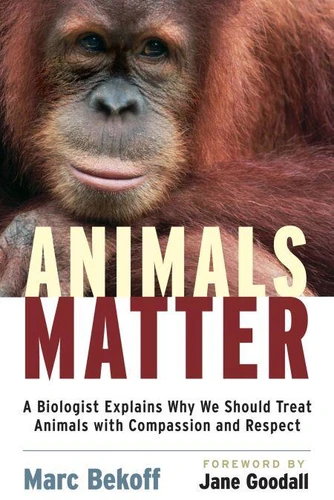
Nonhuman animals have many of the same feelings we do. They get hurt, they suffer, they are happy, and they take care of each other. Marc Bekoff, a renowned biologist specializing in animal minds and emotions, guides readers from high school age up-including older adults who want a basic introduction to the topic-in looking at scientific research, philosophical ideas, and humane values that argue for the ethical and compassionate treatment of animals.
Citing the latest scientific studies and tackling controversies with conviction, he zeroes in on the important questions, inviting reader participation with "thought experiments" and ideas for action. Among the questions considered: . Are some species more valuable or more important than others? . Do some animals feel pain and suffering and not others? . Do animals feel emotions? . Should endangered animals be reintroduced to places where they originally lived? . Should animals be kept in captivity? . Are there alternatives to using animals for food, clothing, cosmetic testing, and dissection in the science classroom? . What can we learn by imagining what it feels like to be a dog or a cat or a mouse or an ant? . What can we do to make a difference in animals' quality of life?Bekoff urges us not only to understand and protect animals-especially those whose help we want for our research and other human needs-but to love and respect them as our fellow beings on this planet that we all want to share in peace.

 , qui est-ce ?