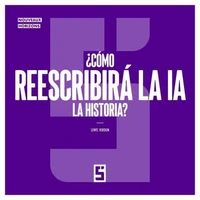



Léwis Verdun est un auteur contemporain âgé d'une quarantaine d'années, reconnu pour ses capacités à rendre accessibles des sujets variés et complexes. Passionné par la transmission claire et concise du savoir, Léwis bénéficie d'un parcours riche et diversifié dans de nombreux domaines. Tout au long de sa carrière, il a su développer une méthode efficace permettant d'aborder de manière simple et captivante des concepts parfois compliqués.
Aujourd'hui, au sein de la maison d'édition FIVE MINUTES, Léwis met à profit son savoir-faire éditorial et son expertise pédagogique, tout en s'aidant des outils les plus avancés en intelligence artificielle pour assister son processus créatif. Grâce à cette approche hybride et novatrice, il offre aux lecteurs des contenus pertinents, enrichissants et adaptés au rythme de vie contemporain.
Aujourd'hui, au sein de la maison d'édition FIVE MINUTES, Léwis met à profit son savoir-faire éditorial et son expertise pédagogique, tout en s'aidant des outils les plus avancés en intelligence artificielle pour assister son processus créatif. Grâce à cette approche hybride et novatrice, il offre aux lecteurs des contenus pertinents, enrichissants et adaptés au rythme de vie contemporain.