SOLDES
Jusqu'à -70% sur une sélection d'articles*

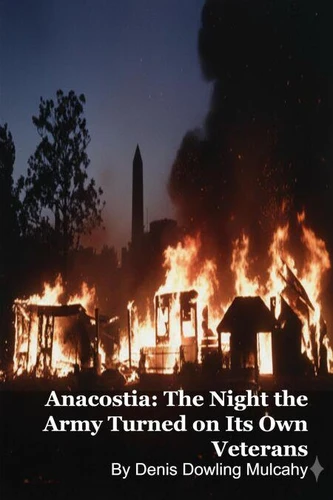
Anacostia: The Night the Army Turned on Its Own Veterans
Par :Formats :
Disponible dans votre compte client Decitre ou Furet du Nord dès validation de votre commande. Le format ePub est :
- Compatible avec une lecture sur My Vivlio (smartphone, tablette, ordinateur)
- Compatible avec une lecture sur liseuses Vivlio
- Pour les liseuses autres que Vivlio, vous devez utiliser le logiciel Adobe Digital Edition. Non compatible avec la lecture sur les liseuses Kindle, Remarkable et Sony
 , qui est-ce ?
Notre partenaire de plateforme de lecture numérique où vous retrouverez l'ensemble de vos ebooks gratuitement
Pour en savoir plus sur nos ebooks, consultez notre aide en ligne ici
C'est si simple ! Lisez votre ebook avec l'app Vivlio sur votre tablette, mobile ou ordinateur :

- FormatePub
- ISBN8233222818
- EAN9798233222818
- Date de parution01/02/2026
- Protection num.pas de protection
- Infos supplémentairesepub
- ÉditeurLinda Balsamo
Résumé
Anacostia: The Night the Army Turned on Its Own VeteransIn the spring of 1932, twenty thousand desperate World War I veterans rode freight trains to Washington, D. C., to demand immediate payment of bonus certificates the government had promised them in 1924. What followed was one of the most dramatic - and most revealing - confrontations in American history. The Bonus Expeditionary Force, as they called themselves, built an ordered community on Anacostia Flats, demonstrated a remarkable racial integration that scandalized federal authorities, and waited peacefully while the Senate debated and ultimately killed their bill.
On July 28, General Douglas MacArthur deployed cavalry, infantry, and tanks against the veterans, burning their encampment to the ground in a single night. The destruction of Anacostia Flats helped elect Franklin Roosevelt, directly shaped the creation of the G. I. Bill, and exposed a structural fault in the American social contract - the chronic gap between the nation's gratitude toward its soldiers and its willingness to honor what that gratitude actually costs.
This is the story of that gap, traced from 1783 to the present, through the men who marched, the men who burned them, and the nation that watched.
On July 28, General Douglas MacArthur deployed cavalry, infantry, and tanks against the veterans, burning their encampment to the ground in a single night. The destruction of Anacostia Flats helped elect Franklin Roosevelt, directly shaped the creation of the G. I. Bill, and exposed a structural fault in the American social contract - the chronic gap between the nation's gratitude toward its soldiers and its willingness to honor what that gratitude actually costs.
This is the story of that gap, traced from 1783 to the present, through the men who marched, the men who burned them, and the nation that watched.