SOLDES
Jusqu'à -70% sur une sélection d'articles*

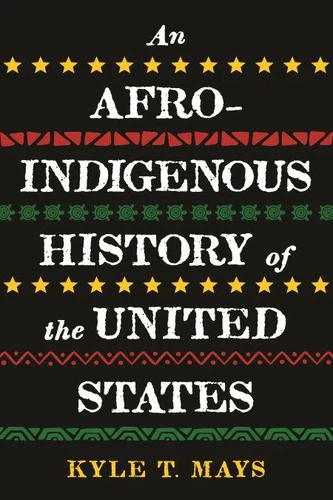
An Afro-Indigenous History of the United States
Par :Formats :
Disponible dans votre compte client Decitre ou Furet du Nord dès validation de votre commande. Le format ePub protégé est :
- Compatible avec une lecture sur My Vivlio (smartphone, tablette, ordinateur)
- Compatible avec une lecture sur liseuses Vivlio
- Pour les liseuses autres que Vivlio, vous devez utiliser le logiciel Adobe Digital Edition. Non compatible avec la lecture sur les liseuses Kindle, Remarkable et Sony
- Non compatible avec un achat hors France métropolitaine
 , qui est-ce ?
Notre partenaire de plateforme de lecture numérique où vous retrouverez l'ensemble de vos ebooks gratuitement
Pour en savoir plus sur nos ebooks, consultez notre aide en ligne ici
C'est si simple ! Lisez votre ebook avec l'app Vivlio sur votre tablette, mobile ou ordinateur :

- Nombre de pages272
- FormatePub
- ISBN978-0-8070-1171-3
- EAN9780807011713
- Date de parution16/11/2021
- Protection num.Adobe DRM
- Taille8 Mo
- Infos supplémentairesepub
- ÉditeurBeacon Press
Résumé
The first intersectional history of the Black and Native American struggle for freedom in our country that also reframes our understanding of who was Indigenous in early AmericaBeginning with pre-Revolutionary America and moving into the movement for Black lives and contemporary Indigenous activism, Afro-Indigenous historian Kyle T. Mays argues that the foundations of the US are rooted in antiblackness and settler colonialism, and that these parallel oppressions continue into the present.
He explores how Black and Indigenous peoples have always resisted and struggled for freedom, sometimes together, and sometimes apart. Whether to end African enslavement and Indigenous removal or eradicate capitalism and colonialism, Mays show how the fervor of Black and Indigenous peoples calls for justice have consistently sought to uproot white supremacy. Mays uses a wide-array of historical activists and pop culture icons, "sacred" texts, and foundational texts like the Declaration of Independence and Democracy in America.
He covers the civil rights movement and freedom struggles of the 1960s and 1970s, and explores current debates around the use of Native American imagery and the cultural appropriation of Black culture. Mays compels us to rethink both our history as well as contemporary debates and to imagine the powerful possibilities of Afro-Indigenous solidarity. Includes an 8-page photo insert featuring Kwame Ture with Dennis Banks and Russell Means at the Wounded Knee Trials; Angela Davis walking with Oren Lyons after he leaves Wounded Knee, SD; former South African president Nelson Mandela with Clyde Bellecourt; and more.
He explores how Black and Indigenous peoples have always resisted and struggled for freedom, sometimes together, and sometimes apart. Whether to end African enslavement and Indigenous removal or eradicate capitalism and colonialism, Mays show how the fervor of Black and Indigenous peoples calls for justice have consistently sought to uproot white supremacy. Mays uses a wide-array of historical activists and pop culture icons, "sacred" texts, and foundational texts like the Declaration of Independence and Democracy in America.
He covers the civil rights movement and freedom struggles of the 1960s and 1970s, and explores current debates around the use of Native American imagery and the cultural appropriation of Black culture. Mays compels us to rethink both our history as well as contemporary debates and to imagine the powerful possibilities of Afro-Indigenous solidarity. Includes an 8-page photo insert featuring Kwame Ture with Dennis Banks and Russell Means at the Wounded Knee Trials; Angela Davis walking with Oren Lyons after he leaves Wounded Knee, SD; former South African president Nelson Mandela with Clyde Bellecourt; and more.