SOLDES
Jusqu'à -70% sur une sélection d'articles*

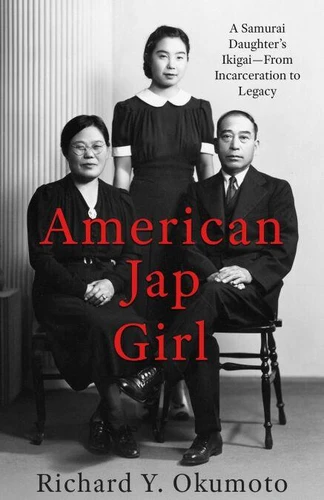
American Jap Girl: A Samurai Daughter’s Ikigai—From Incarceration to Legacy
Par :Formats :
Disponible dans votre compte client Decitre ou Furet du Nord dès validation de votre commande. Le format ePub est :
- Compatible avec une lecture sur My Vivlio (smartphone, tablette, ordinateur)
- Compatible avec une lecture sur liseuses Vivlio
- Pour les liseuses autres que Vivlio, vous devez utiliser le logiciel Adobe Digital Edition. Non compatible avec la lecture sur les liseuses Kindle, Remarkable et Sony
 , qui est-ce ?
Notre partenaire de plateforme de lecture numérique où vous retrouverez l'ensemble de vos ebooks gratuitement
Pour en savoir plus sur nos ebooks, consultez notre aide en ligne ici
C'est si simple ! Lisez votre ebook avec l'app Vivlio sur votre tablette, mobile ou ordinateur :

- FormatePub
- ISBN978-1-971076-00-3
- EAN9781971076003
- Date de parution05/05/2026
- Protection num.pas de protection
- Infos supplémentairesepub
- ÉditeurDigital LifeStory Press
Résumé
Incarceration to Inspiration: Ikigai Legacy of an American Jap GirlIn 1925, three-year-old Tome, one of nine children, is abandoned by her birth parents. Raised by a foster family who instill in her the Bushido code of honor and perseverance, she grows up believing she's an all-American girl-until America brands her a "Jap."When Executive Order 9066 uproots her family and confines them behind barbed wire, Tome endures injustice with quiet strength, guided by her purpose: her ikigai.
Through war, poverty, and personal tragedy, including a desperate moment of near suicide-halted by her young son Richard's cry, "No, Mommy, no!"-she transforms pain into determination. American Jap Girl, told in Tome's posthumous voice and reconstructed from family journals, reclaims a racial slur as a symbol of resilience and belonging. Spanning from the Great Depression to the rise of postwar California, Tome's story is a testament to one woman's defiance against the myth of inferiority and her transformation of suffering into legacy.
Through war, poverty, and personal tragedy, including a desperate moment of near suicide-halted by her young son Richard's cry, "No, Mommy, no!"-she transforms pain into determination. American Jap Girl, told in Tome's posthumous voice and reconstructed from family journals, reclaims a racial slur as a symbol of resilience and belonging. Spanning from the Great Depression to the rise of postwar California, Tome's story is a testament to one woman's defiance against the myth of inferiority and her transformation of suffering into legacy.