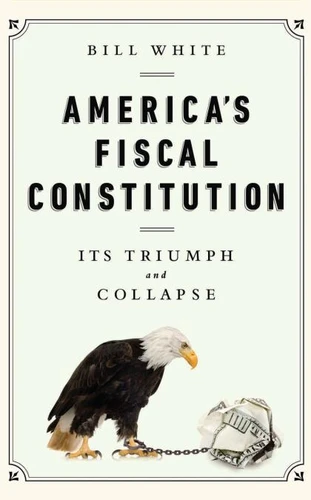
America's Fiscal Constitution. Its Triumph and Collapse
Par :Formats :
Disponible dans votre compte client Decitre ou Furet du Nord dès validation de votre commande. Le format ePub protégé est :
- Compatible avec une lecture sur My Vivlio (smartphone, tablette, ordinateur)
- Compatible avec une lecture sur liseuses Vivlio
- Pour les liseuses autres que Vivlio, vous devez utiliser le logiciel Adobe Digital Edition. Non compatible avec la lecture sur les liseuses Kindle, Remarkable et Sony
- Non compatible avec un achat hors France métropolitaine
 , qui est-ce ?
Notre partenaire de plateforme de lecture numérique où vous retrouverez l'ensemble de vos ebooks gratuitement
Pour en savoir plus sur nos ebooks, consultez notre aide en ligne ici
C'est si simple ! Lisez votre ebook avec l'app Vivlio sur votre tablette, mobile ou ordinateur :

- Nombre de pages576
- FormatePub
- ISBN978-1-61039-344-7
- EAN9781610393447
- Date de parution31/03/2014
- Protection num.Adobe DRM
- Infos supplémentairesepub
- ÉditeurPublicAffairs
Résumé
What would Washington, Jefferson, Madison, Lincoln, the Roosevelts, Truman, and Eisenhower have done about today's federal debt crisis? America's Fiscal Constitution tells the remarkable story of fiscal heroes who imposed clear limits on the use of federal debt, limits that for two centuries were part of an unwritten constitution. Those national leaders borrowed only for extraordinary purposes and relied on well-defined budget practices to balance federal spending and revenues.
That traditional fiscal constitution collapsed in 2001. Afterward -- for the first time in history -- federal elected officials cut taxes during war, funded permanent new programs entirely with debt, grew dependent on foreign creditors, and claimed that the economy could not thrive without routine federal borrowing. For most of the nation's history, conservatives fought to restrain the growth of government by insisting that new programs be paid for with taxation, while progressives sought to preserve opportunities for people on the way up by balancing budgets.
Virtually all mainstream politicians recognized that excessive debt could jeopardize private investment and national independence. With original scholarship and the benefit of experience in finance and public service, Bill White dispels common budget myths and distills practical lessons from the nation's five previous spikes in debt. America's Fiscal Constitution offers an objective and hopeful guide for people trying to make sense of the nation's current, most severe, debt crisis and its impact on their lives and our future.
That traditional fiscal constitution collapsed in 2001. Afterward -- for the first time in history -- federal elected officials cut taxes during war, funded permanent new programs entirely with debt, grew dependent on foreign creditors, and claimed that the economy could not thrive without routine federal borrowing. For most of the nation's history, conservatives fought to restrain the growth of government by insisting that new programs be paid for with taxation, while progressives sought to preserve opportunities for people on the way up by balancing budgets.
Virtually all mainstream politicians recognized that excessive debt could jeopardize private investment and national independence. With original scholarship and the benefit of experience in finance and public service, Bill White dispels common budget myths and distills practical lessons from the nation's five previous spikes in debt. America's Fiscal Constitution offers an objective and hopeful guide for people trying to make sense of the nation's current, most severe, debt crisis and its impact on their lives and our future.