SOLDES
Jusqu'à -70% sur une sélection d'articles*

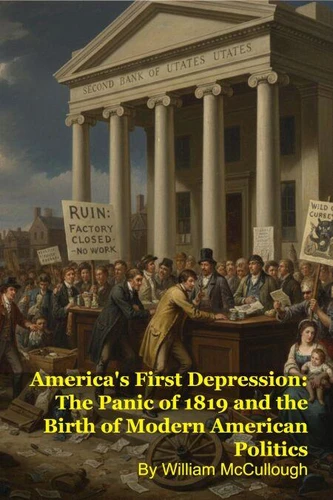
America's First Depression: The Panic of 1819 and the Birth of Modern American Politics
Par :Formats :
Disponible dans votre compte client Decitre ou Furet du Nord dès validation de votre commande. Le format ePub est :
- Compatible avec une lecture sur My Vivlio (smartphone, tablette, ordinateur)
- Compatible avec une lecture sur liseuses Vivlio
- Pour les liseuses autres que Vivlio, vous devez utiliser le logiciel Adobe Digital Edition. Non compatible avec la lecture sur les liseuses Kindle, Remarkable et Sony
 , qui est-ce ?
Notre partenaire de plateforme de lecture numérique où vous retrouverez l'ensemble de vos ebooks gratuitement
Pour en savoir plus sur nos ebooks, consultez notre aide en ligne ici
C'est si simple ! Lisez votre ebook avec l'app Vivlio sur votre tablette, mobile ou ordinateur :

- FormatePub
- ISBN8233886560
- EAN9798233886560
- Date de parution02/02/2026
- Protection num.pas de protection
- Infos supplémentairesepub
- ÉditeurLinda Balsamo
Résumé
America's First Depression: The Panic of 1819 and the Birth of Modern American PoliticsThe Panic of 1819 was America's first nationwide economic catastrophe, yet it remains largely forgotten despite fundamentally reshaping the young republic. This comprehensive historical narrative reveals how a speculative land boom fueled by reckless banking collapsed into a devastating depression that threw hundreds of thousands into poverty, destroyed farms and businesses across every region, and shattered the political consensus of the Era of Good Feelings.
Through meticulous research and vivid storytelling, this book traces how the crisis transformed American democracy by expanding voting rights, creating the first mass political parties, and elevating Andrew Jackson to power on a platform of hard money and opposition to concentrated financial power. The work examines the intellectual debates about banking and currency that emerged from the panic, the sectional conflicts over tariffs and internal improvements that intensified during the crisis, and the constitutional controversies surrounding the Second Bank of the United States that would culminate in its destruction.
This forgotten crisis established patterns that would shape American economic and political development for generations, from the recurring financial panics of the nineteenth century to modern debates about Federal Reserve independence and financial regulation. Understanding the Panic of 1819 illuminates enduring questions about how democratic societies manage complex economies, balance expertise with accountability, and respond to economic catastrophes in ways that either strengthen or weaken their institutions.
Through meticulous research and vivid storytelling, this book traces how the crisis transformed American democracy by expanding voting rights, creating the first mass political parties, and elevating Andrew Jackson to power on a platform of hard money and opposition to concentrated financial power. The work examines the intellectual debates about banking and currency that emerged from the panic, the sectional conflicts over tariffs and internal improvements that intensified during the crisis, and the constitutional controversies surrounding the Second Bank of the United States that would culminate in its destruction.
This forgotten crisis established patterns that would shape American economic and political development for generations, from the recurring financial panics of the nineteenth century to modern debates about Federal Reserve independence and financial regulation. Understanding the Panic of 1819 illuminates enduring questions about how democratic societies manage complex economies, balance expertise with accountability, and respond to economic catastrophes in ways that either strengthen or weaken their institutions.