SOLDES
Jusqu'à -70% sur une sélection d'articles*

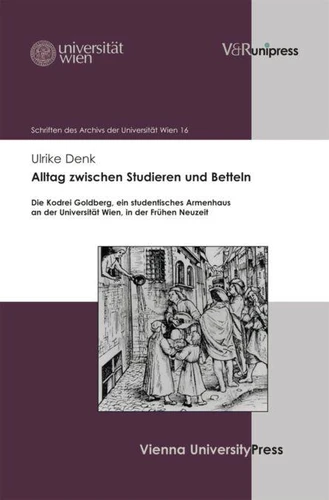
Alltag zwischen Studieren und Betteln. Die Kodrei Goldberg, ein studentisches Armenhaus an der Universität Wien, in der Frühen Neuzeit
Par : , , , ,Formats :
Disponible dans votre compte client Decitre ou Furet du Nord dès validation de votre commande. Le format PDF est :
- Compatible avec une lecture sur My Vivlio (smartphone, tablette, ordinateur)
- Compatible avec une lecture sur liseuses Vivlio
- Pour les liseuses autres que Vivlio, vous devez utiliser le logiciel Adobe Digital Edition. Non compatible avec la lecture sur les liseuses Kindle, Remarkable et Sony
 , qui est-ce ?
Notre partenaire de plateforme de lecture numérique où vous retrouverez l'ensemble de vos ebooks gratuitement
Pour en savoir plus sur nos ebooks, consultez notre aide en ligne ici
C'est si simple ! Lisez votre ebook avec l'app Vivlio sur votre tablette, mobile ou ordinateur :

- Nombre de pages437
- FormatPDF
- ISBN978-3-8470-0077-8
- EAN9783847000778
- Date de parution14/01/2013
- Protection num.pas de protection
- Taille3 Mo
- Infos supplémentairespdf
- ÉditeurV&R Unipress
Résumé
Poor students (pauperes) had been frequenting the universities during the Middle Ages and the Early Modern Times (at times in significant numbers). University documents mention them as profiteers of reduction or remission of fees which students had to pay for matriculation, lectures, examinations and degrees. There is less information about their living conditions at the university. The University of Vienna always had a high number of paupers.
Therefore the so-called "Kodreien" (codriae), i.e. dwellings established for poor students were typical institutions in Vienna. Taking the example of the biggest of these houses, the "Kodrei Goldberg" or codria Aurei montis, the book throws light how Viennese pauperes from c. 1470 to 1622 managed their lives between learning and begging. Finally the author takes a political point of view: were these codriae meant to support or control the poor students, which problems results from their begging activities in town, and how dealed the authorities (the university, the town and the sovereign) with these problems?
Therefore the so-called "Kodreien" (codriae), i.e. dwellings established for poor students were typical institutions in Vienna. Taking the example of the biggest of these houses, the "Kodrei Goldberg" or codria Aurei montis, the book throws light how Viennese pauperes from c. 1470 to 1622 managed their lives between learning and begging. Finally the author takes a political point of view: were these codriae meant to support or control the poor students, which problems results from their begging activities in town, and how dealed the authorities (the university, the town and the sovereign) with these problems?