SOLDES
Jusqu'à -70% sur une sélection d'articles*

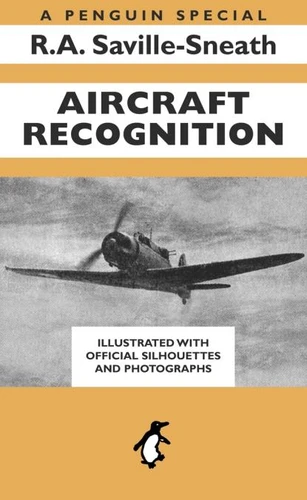
Aircraft Recognition. A Penguin Special
Par :Formats :
Disponible dans votre compte client Decitre ou Furet du Nord dès validation de votre commande. Le format ePub protégé est :
- Compatible avec une lecture sur My Vivlio (smartphone, tablette, ordinateur)
- Compatible avec une lecture sur liseuses Vivlio
- Pour les liseuses autres que Vivlio, vous devez utiliser le logiciel Adobe Digital Edition. Non compatible avec la lecture sur les liseuses Kindle, Remarkable et Sony
- Non compatible avec un achat hors France métropolitaine
 , qui est-ce ?
Notre partenaire de plateforme de lecture numérique où vous retrouverez l'ensemble de vos ebooks gratuitement
Pour en savoir plus sur nos ebooks, consultez notre aide en ligne ici
C'est si simple ! Lisez votre ebook avec l'app Vivlio sur votre tablette, mobile ou ordinateur :

- Nombre de pages192
- FormatePub
- ISBN978-0-241-97324-0
- EAN9780241973240
- Date de parution02/04/2015
- Protection num.Adobe DRM
- Infos supplémentairesepub
- ÉditeurPENGUIN
Résumé
When this book was first published in 1941, aircraft recognition was far more than just a pleasant pastime; it was often a matter of life and death. This classic text provides a definitive catalogue of the aeroplanes, enemy and friendly, seen over British skies during the Second World War. R. A. Saville-Sneath set out to produce a handy classification guide, with many diagrams, a full glossary and some useful mnemonics, showing how each type of aircraft could be identified quickly and easily.
The basic structures, tail units, positions of the wings and engines, and even the sounds made by the different planes, form part of the essential 'vocabulary' for distinguishing Albacores and Ansons, Beauforts and Blenheims, Heinkels, Hurricanes and Junkers, Messerschmitts and Moths, Spitfires and Wellingtons. For anyone interested in aviation the book provides a mine of information about a golden age.
For those who lived through one of the most glorious episodes in the history of combat it will prove vividly evocative of those extraordinary days.
The basic structures, tail units, positions of the wings and engines, and even the sounds made by the different planes, form part of the essential 'vocabulary' for distinguishing Albacores and Ansons, Beauforts and Blenheims, Heinkels, Hurricanes and Junkers, Messerschmitts and Moths, Spitfires and Wellingtons. For anyone interested in aviation the book provides a mine of information about a golden age.
For those who lived through one of the most glorious episodes in the history of combat it will prove vividly evocative of those extraordinary days.