SOLDES
Jusqu'à -70% sur une sélection d'articles*

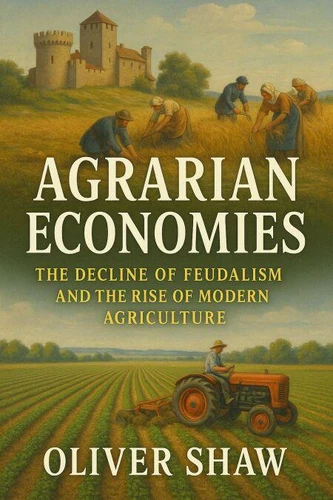
Agrarian Economies: The Decline of Feudalism and the Rise of Modern Agriculture
Par :Formats :
Disponible dans votre compte client Decitre ou Furet du Nord dès validation de votre commande. Le format ePub est :
- Compatible avec une lecture sur My Vivlio (smartphone, tablette, ordinateur)
- Compatible avec une lecture sur liseuses Vivlio
- Pour les liseuses autres que Vivlio, vous devez utiliser le logiciel Adobe Digital Edition. Non compatible avec la lecture sur les liseuses Kindle, Remarkable et Sony
 , qui est-ce ?
Notre partenaire de plateforme de lecture numérique où vous retrouverez l'ensemble de vos ebooks gratuitement
Pour en savoir plus sur nos ebooks, consultez notre aide en ligne ici
C'est si simple ! Lisez votre ebook avec l'app Vivlio sur votre tablette, mobile ou ordinateur :

- FormatePub
- ISBN8230103868
- EAN9798230103868
- Date de parution18/04/2025
- Protection num.pas de protection
- Infos supplémentairesepub
- ÉditeurIndependently Published
Résumé
This book explores the transformative journey from feudal agrarian systems to the rise of modern agriculture, examining the economic, social, and political forces that shaped agricultural practices over the centuries. It provides a comprehensive analysis of how the decline of feudalism in Europe, marked by the erosion of serfdom and the rise of market-driven economies, led to the development of capitalist agricultural systems.
The book delves into the role of key innovations such as crop rotation, mechanization, and the rise of agribusiness, as well as the environmental and societal consequences of agricultural commercialization. Through historical analysis and case studies, Shaw offers a compelling look at how the relationship between land, labor, and capital evolved, ultimately leading to the agriculture we recognize today, while considering its lasting impacts on economies and societies around the world.
The book delves into the role of key innovations such as crop rotation, mechanization, and the rise of agribusiness, as well as the environmental and societal consequences of agricultural commercialization. Through historical analysis and case studies, Shaw offers a compelling look at how the relationship between land, labor, and capital evolved, ultimately leading to the agriculture we recognize today, while considering its lasting impacts on economies and societies around the world.


