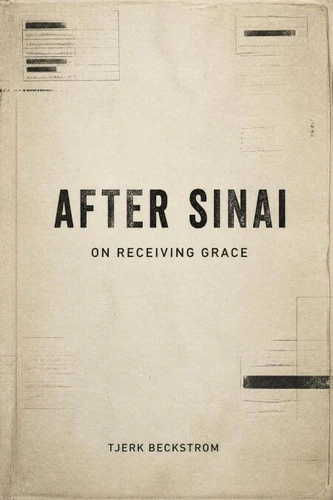
Everyone knows the Ten Commandments. Or thinks they do. They have been carved in stone, stitched onto decorative pillows, hung in courthouses, and invoked in arguments by people who have not read Exodus since Sunday school. They are the most famous rules in the world and, by most measures, the least followed. After Sinai follows each commandment into the stories surrounding it. Murder and war. Theft and empire.
Adultery and power. False witness and the village gossip chain. Coveting and the quiet machinery of desire. The God who refused to be named. These are not abstract laws. They are the ground rules of a people who kept breaking them, and a record of how every civilisation since has done the same, with better paperwork and worse excuses. The book does not preach. It does not mock. It follows the commandments into the complicated human behaviour they were supposed to prevent, and asks what it means that more than three millennia later, the rules are still standing and we are still arguing about what they mean.
The answers are not tidy. Neither are the stories.
Everyone knows the Ten Commandments. Or thinks they do. They have been carved in stone, stitched onto decorative pillows, hung in courthouses, and invoked in arguments by people who have not read Exodus since Sunday school. They are the most famous rules in the world and, by most measures, the least followed. After Sinai follows each commandment into the stories surrounding it. Murder and war. Theft and empire.
Adultery and power. False witness and the village gossip chain. Coveting and the quiet machinery of desire. The God who refused to be named. These are not abstract laws. They are the ground rules of a people who kept breaking them, and a record of how every civilisation since has done the same, with better paperwork and worse excuses. The book does not preach. It does not mock. It follows the commandments into the complicated human behaviour they were supposed to prevent, and asks what it means that more than three millennia later, the rules are still standing and we are still arguing about what they mean.
The answers are not tidy. Neither are the stories.

 , qui est-ce ?