SOLDES
Jusqu'à -70% sur une sélection d'articles*

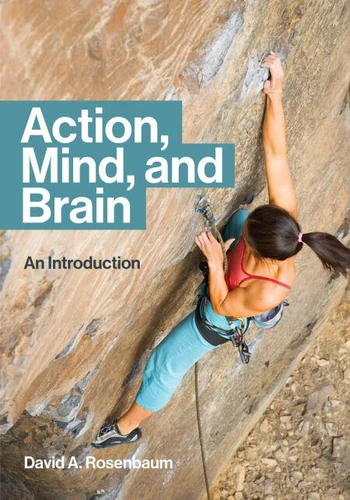
Action, Mind, and Brain. An Introduction
Par :Formats :
Disponible dans votre compte client Decitre ou Furet du Nord dès validation de votre commande. Le format ePub protégé est :
- Compatible avec une lecture sur My Vivlio (smartphone, tablette, ordinateur)
- Compatible avec une lecture sur liseuses Vivlio
- Pour les liseuses autres que Vivlio, vous devez utiliser le logiciel Adobe Digital Edition. Non compatible avec la lecture sur les liseuses Kindle, Remarkable et Sony
- Non compatible avec un achat hors France métropolitaine
 , qui est-ce ?
Notre partenaire de plateforme de lecture numérique où vous retrouverez l'ensemble de vos ebooks gratuitement
Pour en savoir plus sur nos ebooks, consultez notre aide en ligne ici
C'est si simple ! Lisez votre ebook avec l'app Vivlio sur votre tablette, mobile ou ordinateur :

- Nombre de pages302
- FormatePub
- ISBN978-0-262-36873-5
- EAN9780262368735
- Date de parution08/02/2022
- Protection num.Adobe DRM
- Taille57 Mo
- Infos supplémentairesepub
- ÉditeurThe MIT Press
Résumé
An engaging and accessible introduction to the psychology and neuroscience of physical action. This engaging and accessible book offers the first introductory text on the psychology and neuroscience of physical action. Written by a leading researcher in the field, it covers the interplay of action, mind, and brain, showing that many core concepts in philosophy, psychology, neuroscience, and technology grew out of questions about the control of everyday physical actions.
It explains action not as a "one-way street from stimuli to response" but as a continual perception-action cycle. The informal writing style invites students to think through the evidence step by step, helping them develop general thinking stills as well as learn specific facts. Special emphasis is placed on the role of underrepresented groups. The book discusses the intellectual background of the field, from Plato to Kant, Dewey, and others; applications and methods; and the physical substrates of action-bones, tendons, ligaments, muscles, and nerves.
It considers the control of actions in space; learning, and the roles of nature and nurture; feedback; feedforward, or anticipated feedback; and degrees of freedom-the multiple ways of getting things done and three methods for narrowing the alternatives. The book is generously illustrated, including many images of thinkers who contributed to the field.
It explains action not as a "one-way street from stimuli to response" but as a continual perception-action cycle. The informal writing style invites students to think through the evidence step by step, helping them develop general thinking stills as well as learn specific facts. Special emphasis is placed on the role of underrepresented groups. The book discusses the intellectual background of the field, from Plato to Kant, Dewey, and others; applications and methods; and the physical substrates of action-bones, tendons, ligaments, muscles, and nerves.
It considers the control of actions in space; learning, and the roles of nature and nurture; feedback; feedforward, or anticipated feedback; and degrees of freedom-the multiple ways of getting things done and three methods for narrowing the alternatives. The book is generously illustrated, including many images of thinkers who contributed to the field.