Focuses on psychology, emotional resilience, and modern identity in contemporary society.
Nouveauté
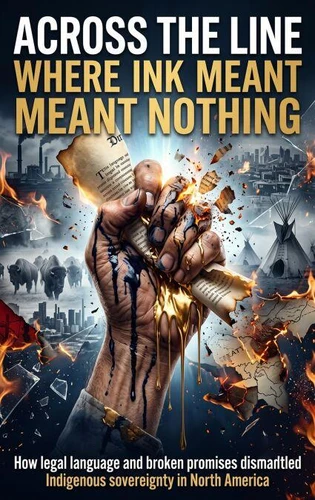
Across the line where ink meant nothing. How legal language and broken promises dismantled Indigenous sovereignty in North America
Par :Formats :
Disponible dans votre compte client Decitre ou Furet du Nord dès validation de votre commande. Le format ePub est :
- Compatible avec une lecture sur My Vivlio (smartphone, tablette, ordinateur)
- Compatible avec une lecture sur liseuses Vivlio
- Pour les liseuses autres que Vivlio, vous devez utiliser le logiciel Adobe Digital Edition. Non compatible avec la lecture sur les liseuses Kindle, Remarkable et Sony
 , qui est-ce ?
Notre partenaire de plateforme de lecture numérique où vous retrouverez l'ensemble de vos ebooks gratuitement
Pour en savoir plus sur nos ebooks, consultez notre aide en ligne ici
C'est si simple ! Lisez votre ebook avec l'app Vivlio sur votre tablette, mobile ou ordinateur :

- Nombre de pages217
- FormatePub
- ISBN978-3-565-54615-2
- EAN9783565546152
- Date de parution08/07/2026
- Protection num.pas de protection
- Taille2 Mo
- Infos supplémentairesepub
- ÉditeurEmphaloz Publishing House
Résumé
The pen, not the sword, proved the deadliest weapon. From the first colonial charters to the Indian Removal Act and the Dawes Act, the dispossession of Native lands was accomplished largely through legal instruments designed to appear just while delivering theft. This book examines the machinery of that dispossession: how European concepts of property, sovereignty, and contract were imposed upon societies that understood land as communal, sacred, and non-transferable.
Treaties were signed in good faith by some Native leaders, only to be rewritten, ignored, or annulled when resources were needed. The Supreme Court decisions that recognized tribal sovereignty in theory while stripping it in practice are dissected here with precision. But the narrative also follows the Native legal minds who fought back-men and women who learned the colonizer's law and turned it against him.
From Cherokee litigants in the 1830s to modern tribal courts reclaiming jurisdiction, this is a story of law as both weapon and shield. The tension between written promise and lived reality has never been resolved. It continues in every land claim, every pipeline protest, every treaty rights case heard today.
Treaties were signed in good faith by some Native leaders, only to be rewritten, ignored, or annulled when resources were needed. The Supreme Court decisions that recognized tribal sovereignty in theory while stripping it in practice are dissected here with precision. But the narrative also follows the Native legal minds who fought back-men and women who learned the colonizer's law and turned it against him.
From Cherokee litigants in the 1830s to modern tribal courts reclaiming jurisdiction, this is a story of law as both weapon and shield. The tension between written promise and lived reality has never been resolved. It continues in every land claim, every pipeline protest, every treaty rights case heard today.
A propos de Emma Whitaker



24,99 €

24,99 €