SOLDES
Jusqu'à -70% sur une sélection d'articles*

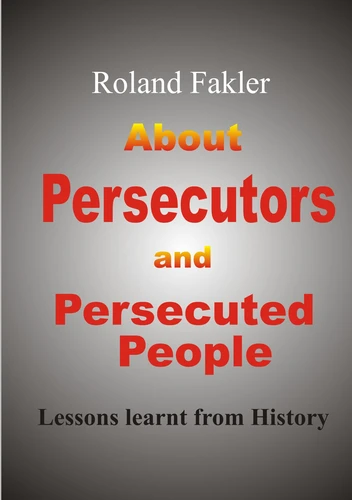
About Persecutors and Persecuted People. Lessons learnt from history
Par :Formats :
Disponible dans votre compte client Decitre ou Furet du Nord dès validation de votre commande. Le format ePub protégé est :
- Compatible avec une lecture sur My Vivlio (smartphone, tablette, ordinateur)
- Compatible avec une lecture sur liseuses Vivlio
- Pour les liseuses autres que Vivlio, vous devez utiliser le logiciel Adobe Digital Edition. Non compatible avec la lecture sur les liseuses Kindle, Remarkable et Sony
- Non compatible avec un achat hors France métropolitaine
 , qui est-ce ?
Notre partenaire de plateforme de lecture numérique où vous retrouverez l'ensemble de vos ebooks gratuitement
Pour en savoir plus sur nos ebooks, consultez notre aide en ligne ici
C'est si simple ! Lisez votre ebook avec l'app Vivlio sur votre tablette, mobile ou ordinateur :

- Nombre de pages300
- FormatePub
- ISBN978-3-7481-3491-6
- EAN9783748134916
- Date de parution13/11/2018
- Protection num.Adobe DRM
- Taille745 Ko
- Infos supplémentairesepub
- ÉditeurBooks on Demand
Résumé
What is the reason why the so-called great people in history turned into persecutors when they gained power over people and why were they often persecuted, if they were looking for new ways of thinking, as artists, writers, painters, composers and founders of religions? Why have the great people in world history caused so much harm? Where is the problem? How can it be solved? These questions I want to answer in this book.
The book wants to arrange easy readable fundamental history-knowledge, confirm this knowledge with quotations, show connections and come to conclusions.
The whole misery of world history is actually due to the fact, that those who have decisively shaped this history, the rulers, dictators, ideologists and also the founders of religions, had not been great enough to do something truely good, i.e.
they had not been great enough that one could come to them, that one would have wanted to have them. They do not appear liberating but rather oppressive. You had to have them ... and that's where the problem starts!
they had not been great enough that one could come to them, that one would have wanted to have them. They do not appear liberating but rather oppressive. You had to have them ... and that's where the problem starts!