
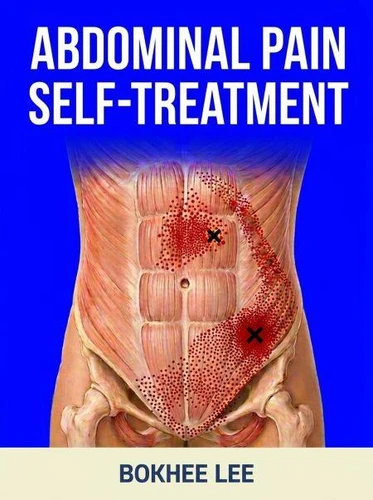
Abdominal pain Self Care
Par :Formats :
Disponible dans votre compte client Decitre ou Furet du Nord dès validation de votre commande. Le format ePub est :
- Compatible avec une lecture sur My Vivlio (smartphone, tablette, ordinateur)
- Compatible avec une lecture sur liseuses Vivlio
- Pour les liseuses autres que Vivlio, vous devez utiliser le logiciel Adobe Digital Edition. Non compatible avec la lecture sur les liseuses Kindle, Remarkable et Sony
 , qui est-ce ?
Notre partenaire de plateforme de lecture numérique où vous retrouverez l'ensemble de vos ebooks gratuitement
Pour en savoir plus sur nos ebooks, consultez notre aide en ligne ici
C'est si simple ! Lisez votre ebook avec l'app Vivlio sur votre tablette, mobile ou ordinateur :

- FormatePub
- ISBN8235125162
- EAN9798235125162
- Date de parution28/04/2026
- Protection num.pas de protection
- Infos supplémentairesepub
- ÉditeurIoakim Ioakim
Résumé
Abdominal Pain Self-Treatment: Why the Problem Is Never Where the Pain IsYou've had the tests. Nothing showed up. You've taken the medication. It helped for a while. Then the pain came back. This is the book for people who have already tried everything - and are still in pain. Based on 15 years of clinical muscle therapy, this guide explains why abdominal pain almost always originates outside the abdomen itself.
The thoracic spine. The diaphragm. The psoas. The pelvic floor. When these structures break down, pain collects in the middle - but treating the middle never resolves it. What this book covers:- Why bloating, epigastric tightness, and post-meal pain are frequently thoracic spine problems, not digestive ones- How a compressed psoas physically narrows the abdominal cavity and blocks organ movement- Symptom-specific self-treatment routines for indigestion, flank pain, rib pain, constipation, diarrhea, and menstrual pain- A complete hands-on self-release sequence from chest to pelvis- Why the same pain always returns to the same place - and how to stop the cycleNo supplements.
No diet plans. No vague advice. Just structure, pressure, and a method that works from the cause - not the symptom.
The thoracic spine. The diaphragm. The psoas. The pelvic floor. When these structures break down, pain collects in the middle - but treating the middle never resolves it. What this book covers:- Why bloating, epigastric tightness, and post-meal pain are frequently thoracic spine problems, not digestive ones- How a compressed psoas physically narrows the abdominal cavity and blocks organ movement- Symptom-specific self-treatment routines for indigestion, flank pain, rib pain, constipation, diarrhea, and menstrual pain- A complete hands-on self-release sequence from chest to pelvis- Why the same pain always returns to the same place - and how to stop the cycleNo supplements.
No diet plans. No vague advice. Just structure, pressure, and a method that works from the cause - not the symptom.