SOLDES
Jusqu'à -70% sur une sélection d'articles*

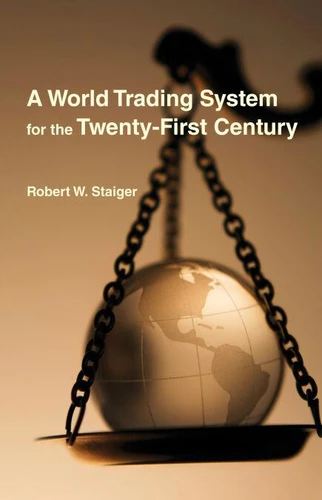
A World Trading System for the Twenty-First Century
Par :Formats :
Disponible dans votre compte client Decitre ou Furet du Nord dès validation de votre commande. Le format ePub protégé est :
- Compatible avec une lecture sur My Vivlio (smartphone, tablette, ordinateur)
- Compatible avec une lecture sur liseuses Vivlio
- Pour les liseuses autres que Vivlio, vous devez utiliser le logiciel Adobe Digital Edition. Non compatible avec la lecture sur les liseuses Kindle, Remarkable et Sony
- Non compatible avec un achat hors France métropolitaine
 , qui est-ce ?
Notre partenaire de plateforme de lecture numérique où vous retrouverez l'ensemble de vos ebooks gratuitement
Pour en savoir plus sur nos ebooks, consultez notre aide en ligne ici
C'est si simple ! Lisez votre ebook avec l'app Vivlio sur votre tablette, mobile ou ordinateur :

- Nombre de pages352
- FormatePub
- ISBN978-0-262-37130-8
- EAN9780262371308
- Date de parution20/12/2022
- Protection num.Adobe DRM
- Taille5 Mo
- Infos supplémentairesepub
- ÉditeurThe MIT Press
Résumé
When designing a world trading system for the twenty-first century, "Keep calm and carry on" beats "Move fast and break things."Global trade is in trouble. Climate change, digital trade, offshoring, the rise of emerging markets led by China: Can the World Trade Organization (WTO), built for trade in the twentieth century, meet the challenges of the twenty-first? The answer is yes, Robert Staiger tells us, arguing that adapting the WTO to the changed economic environment would serve the world better than a radical reset.
Governed by the WTO, on the principles of the General Agreement on Tariffs and Trade (GATT), global trade rules traditionally focus on "shallow integration"-with an emphasis on reducing tariffs and trade impediments at the border-rather than "deep integration, " or direct negotiations over behind-the-border measures. Staiger charts the economic environment that gave rise to the former approach, explains when and why it worked, and surveys the changing landscape for global trade.
In his analysis, the terms-of-trade theory of trade agreements provides a compelling framework for understanding the success of GATT in the twentieth century. And according to this understanding, Staiger concludes, the logic of GATT's design transcends many, if not all, of the current challenges faced by the WTO. With its penetrating view of the evolving global economic environment, A World Trading System for the Twenty-First Century shows us a global trading system in need of reform, and Staiger makes a persuasive case for using the architecture of the GATT/WTO as a basis for that reform.
Governed by the WTO, on the principles of the General Agreement on Tariffs and Trade (GATT), global trade rules traditionally focus on "shallow integration"-with an emphasis on reducing tariffs and trade impediments at the border-rather than "deep integration, " or direct negotiations over behind-the-border measures. Staiger charts the economic environment that gave rise to the former approach, explains when and why it worked, and surveys the changing landscape for global trade.
In his analysis, the terms-of-trade theory of trade agreements provides a compelling framework for understanding the success of GATT in the twentieth century. And according to this understanding, Staiger concludes, the logic of GATT's design transcends many, if not all, of the current challenges faced by the WTO. With its penetrating view of the evolving global economic environment, A World Trading System for the Twenty-First Century shows us a global trading system in need of reform, and Staiger makes a persuasive case for using the architecture of the GATT/WTO as a basis for that reform.