SOLDES
Jusqu'à -70% sur une sélection d'articles*

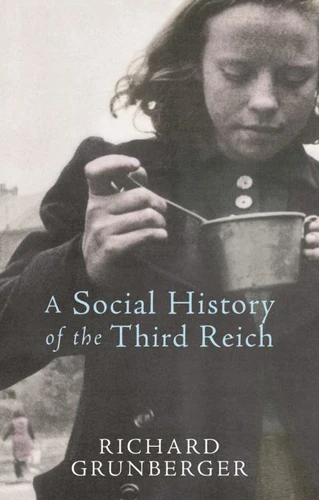
A Social History of The Third Reich
Par :Formats :
Disponible dans votre compte client Decitre ou Furet du Nord dès validation de votre commande. Le format ePub protégé est :
- Compatible avec une lecture sur My Vivlio (smartphone, tablette, ordinateur)
- Compatible avec une lecture sur liseuses Vivlio
- Pour les liseuses autres que Vivlio, vous devez utiliser le logiciel Adobe Digital Edition. Non compatible avec la lecture sur les liseuses Kindle, Remarkable et Sony
- Non compatible avec un achat hors France métropolitaine
 , qui est-ce ?
Notre partenaire de plateforme de lecture numérique où vous retrouverez l'ensemble de vos ebooks gratuitement
Pour en savoir plus sur nos ebooks, consultez notre aide en ligne ici
C'est si simple ! Lisez votre ebook avec l'app Vivlio sur votre tablette, mobile ou ordinateur :

- Nombre de pages544
- FormatePub
- ISBN978-1-78022-626-2
- EAN9781780226262
- Date de parution11/04/2013
- Protection num.Adobe DRM
- Infos supplémentairesepub
- ÉditeurPhoenix
Résumé
One of the most devastating portraits ever drawn of a human society - life in Hitler's Germany during the Third ReichThe Nazis developed a social system unprecedented in history. It was rigidly hierarchical, with the seemingly beneficent and ascetic figure of Hitler at the top - focus for the homage and aspirations of every man, woman and child. How did the 'ordinary citizen' live under such a system? The author discusses such subjects as beauty in the Third Reich (no cosmetics, no slimming) as well as charting how you progressed to the elite Nazi cadres - administrators, propagandists or coercers.
It shows childhood with the Hitler Youth and describes the intense medieval ritual injected into every phase of life from school and university to farm labour. It shows life in the office, in industry, in the professions - doctors, lawyers, artists - and in the Nazi Party itself. Finally, it documents what happened at the two extremes of German society - to the aristocrats and to the Jews.
It shows childhood with the Hitler Youth and describes the intense medieval ritual injected into every phase of life from school and university to farm labour. It shows life in the office, in industry, in the professions - doctors, lawyers, artists - and in the Nazi Party itself. Finally, it documents what happened at the two extremes of German society - to the aristocrats and to the Jews.