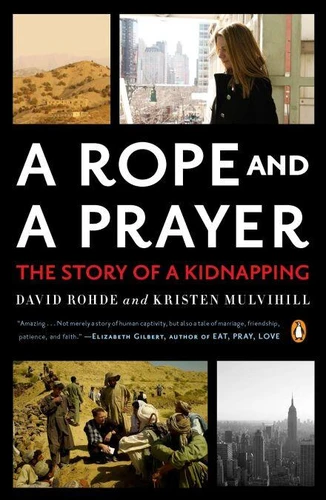
A Rope and a Prayer. The Story of a Kidnapping
Par : ,Formats :
Disponible dans votre compte client Decitre ou Furet du Nord dès validation de votre commande. Le format ePub protégé est :
- Compatible avec une lecture sur My Vivlio (smartphone, tablette, ordinateur)
- Compatible avec une lecture sur liseuses Vivlio
- Pour les liseuses autres que Vivlio, vous devez utiliser le logiciel Adobe Digital Edition. Non compatible avec la lecture sur les liseuses Kindle, Remarkable et Sony
- Non compatible avec un achat hors France métropolitaine
 , qui est-ce ?
Notre partenaire de plateforme de lecture numérique où vous retrouverez l'ensemble de vos ebooks gratuitement
Pour en savoir plus sur nos ebooks, consultez notre aide en ligne ici
C'est si simple ! Lisez votre ebook avec l'app Vivlio sur votre tablette, mobile ou ordinateur :

- Nombre de pages384
- FormatePub
- ISBN978-1-101-44539-6
- EAN9781101445396
- Date de parution30/11/2010
- Protection num.Adobe DRM
- Taille541 Ko
- Infos supplémentairesepub
- ÉditeurPenguin Books
Résumé
The compelling and insightful account of a New York Times reporter's abduction by the Taliban, and his wife's struggle to free him. Invited to an interview by a Taliban commander, New York Times reporter David Rohde and two Afghan colleagues were kidnapped in November 2008 and spirited to the tribal areas of Pakistan. For the next seven months, they lived in an alternate reality, ruled by jihadists, in which paranoia, conspiracy theories, and shifting alliances abounded.
Held in bustling towns, they found that Pakistan's powerful military turned a blind eye to a sprawling Taliban ministate that trained suicide bombers, plotted terrorist attacks, and helped shelter Osama bin Laden. In New York, David's wife of two months, Kristen Mulvihill, his family, and The New York Times struggled to navigate the labyrinth of issues that confront the relatives of hostages. Their methodical, Western approach made little impact on the complex mix of cruelty, irrationality, and criminality that characterizes the militant Islam espoused by David's captors.
In the end, a stolen piece of rope and a prayer ended the captivity. The experience tested and strengthened Mulvihill and Rohde's relationship and exposed the failures of American effort in the region. The tale of those seven months is at once a love story and a reflection of the great cultural divide-and challenge-of our time.
Held in bustling towns, they found that Pakistan's powerful military turned a blind eye to a sprawling Taliban ministate that trained suicide bombers, plotted terrorist attacks, and helped shelter Osama bin Laden. In New York, David's wife of two months, Kristen Mulvihill, his family, and The New York Times struggled to navigate the labyrinth of issues that confront the relatives of hostages. Their methodical, Western approach made little impact on the complex mix of cruelty, irrationality, and criminality that characterizes the militant Islam espoused by David's captors.
In the end, a stolen piece of rope and a prayer ended the captivity. The experience tested and strengthened Mulvihill and Rohde's relationship and exposed the failures of American effort in the region. The tale of those seven months is at once a love story and a reflection of the great cultural divide-and challenge-of our time.