SOLDES
Jusqu'à -70% sur une sélection d'articles*
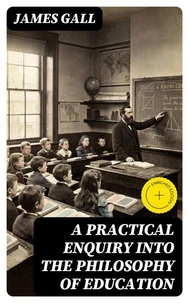
A Practical Enquiry into the Philosophy of Education. Exploring Educational Theory and Practice in Modern Education
Par :Formats :
Disponible dans votre compte client Decitre ou Furet du Nord dès validation de votre commande. Le format ePub est :
- Compatible avec une lecture sur My Vivlio (smartphone, tablette, ordinateur)
- Compatible avec une lecture sur liseuses Vivlio
- Pour les liseuses autres que Vivlio, vous devez utiliser le logiciel Adobe Digital Edition. Non compatible avec la lecture sur les liseuses Kindle, Remarkable et Sony
 , qui est-ce ?
Notre partenaire de plateforme de lecture numérique où vous retrouverez l'ensemble de vos ebooks gratuitement
Pour en savoir plus sur nos ebooks, consultez notre aide en ligne ici
C'est si simple ! Lisez votre ebook avec l'app Vivlio sur votre tablette, mobile ou ordinateur :

- Nombre de pages320
- FormatePub
- ISBN4057664566287
- EAN4057664566287
- Date de parution04/12/2019
- Protection num.Digital Watermarking
- Taille561 Ko
- Infos supplémentairesepub
- ÉditeurGOOD PRESS
Résumé
In "A Practical Enquiry into the Philosophy of Education, " James Gall presents a comprehensive examination of educational principles through a philosophical lens. Drawing upon the intellectual currents of his time, Gall employs a methodical and accessible literary style to interrogate fundamental questions about knowledge, pedagogy, and the responsibilities of educators. The text is simultaneously a critique of existing educational theories and a proposal for more pragmatic approaches, highlighting the intersections between theoretical philosophy and applied education in the 19th century.
James Gall, a prominent figure in the educational reform movement, was profoundly influenced by the rapid social changes of his era. His background as a teacher and commitment to improving educational practices shaped his views on the necessity of aligning philosophy with practical teaching. Gall's experiences in various educational settings allowed him to recognize the disconnect between theory and practice, motivating him to address these issues earnestly through his work.
Readers who seek a deeper understanding of the philosophical underpinnings of contemporary education will find Gall's work indispensable. His articulate arguments challenge conventional wisdom while providing valuable insights for educators, philosophers, and policymakers alike. Gall'Äôs inquiry not only enriches the discourse on education but also remains relevant as we grapple with modern educational challenges.
James Gall, a prominent figure in the educational reform movement, was profoundly influenced by the rapid social changes of his era. His background as a teacher and commitment to improving educational practices shaped his views on the necessity of aligning philosophy with practical teaching. Gall's experiences in various educational settings allowed him to recognize the disconnect between theory and practice, motivating him to address these issues earnestly through his work.
Readers who seek a deeper understanding of the philosophical underpinnings of contemporary education will find Gall's work indispensable. His articulate arguments challenge conventional wisdom while providing valuable insights for educators, philosophers, and policymakers alike. Gall'Äôs inquiry not only enriches the discourse on education but also remains relevant as we grapple with modern educational challenges.