SOLDES
Jusqu'à -70% sur une sélection d'articles*

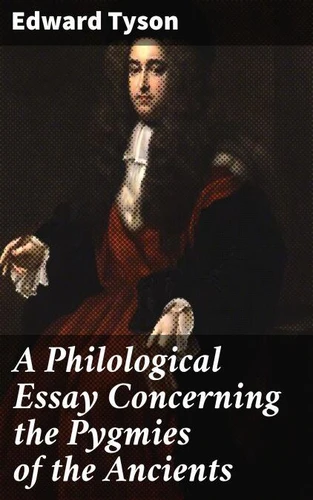
A Philological Essay Concerning the Pygmies of the Ancients. Exploring the Ancient Mythology of Pygmy Tribes and Literary Representation
Par : ,Formats :
Disponible dans votre compte client Decitre ou Furet du Nord dès validation de votre commande. Le format ePub est :
- Compatible avec une lecture sur My Vivlio (smartphone, tablette, ordinateur)
- Compatible avec une lecture sur liseuses Vivlio
- Pour les liseuses autres que Vivlio, vous devez utiliser le logiciel Adobe Digital Edition. Non compatible avec la lecture sur les liseuses Kindle, Remarkable et Sony
 , qui est-ce ?
Notre partenaire de plateforme de lecture numérique où vous retrouverez l'ensemble de vos ebooks gratuitement
Pour en savoir plus sur nos ebooks, consultez notre aide en ligne ici
C'est si simple ! Lisez votre ebook avec l'app Vivlio sur votre tablette, mobile ou ordinateur :

- Nombre de pages184
- FormatePub
- ISBN406-4-06-619642-4
- EAN4064066196424
- Date de parution16/12/2019
- Protection num.Digital Watermarking
- Taille474 Ko
- Infos supplémentairesepub
- ÉditeurGOOD PRESS
Résumé
Edward Tyson's "A Philological Essay Concerning the Pygmies of the Ancients" is a pioneering work that delves into the historical and cultural significance of the mythical pygmies as described in ancient texts. Employing a meticulous philological approach, Tyson synthesizes classical literature, etymological analysis, and contemporary natural history to explore the origins and perceptions of these enigmatic figures.
His keen attention to the nuances of language and meaning situates the pygmies within a broader discourse on race and humanity in the early modern period while critically engaging with the fantastical elements of ancient lore. Tyson, a noted anatomist and the first to describe the platypus, brings a unique perspective to his inquiry, informed by his scientific background and a deep intellectual curiosity about the natural world.
His engagement with contemporary thought highlights his commitment to bridging the gap between classical literature and empirical observation, reflecting a time in which the boundaries of science and humanities were being actively negotiated. Tyson's work exemplifies the Age of Enlightenment'Äôs burgeoning interest in anthropology and the classification of humanity. This influential essay is essential for scholars and enthusiasts alike who seek to understand the historical interplay between myth and science.
Tyson's rigorous analysis not only enriches our understanding of ancient texts but also prompts reflection on the construction of identity and the implications of these narratives throughout history. Readers will find themselves captivated by Tyson's eloquence and intellectual depth, making it a valuable addition to any library.
His keen attention to the nuances of language and meaning situates the pygmies within a broader discourse on race and humanity in the early modern period while critically engaging with the fantastical elements of ancient lore. Tyson, a noted anatomist and the first to describe the platypus, brings a unique perspective to his inquiry, informed by his scientific background and a deep intellectual curiosity about the natural world.
His engagement with contemporary thought highlights his commitment to bridging the gap between classical literature and empirical observation, reflecting a time in which the boundaries of science and humanities were being actively negotiated. Tyson's work exemplifies the Age of Enlightenment'Äôs burgeoning interest in anthropology and the classification of humanity. This influential essay is essential for scholars and enthusiasts alike who seek to understand the historical interplay between myth and science.
Tyson's rigorous analysis not only enriches our understanding of ancient texts but also prompts reflection on the construction of identity and the implications of these narratives throughout history. Readers will find themselves captivated by Tyson's eloquence and intellectual depth, making it a valuable addition to any library.
