SOLDES
Jusqu'à -70% sur une sélection d'articles*

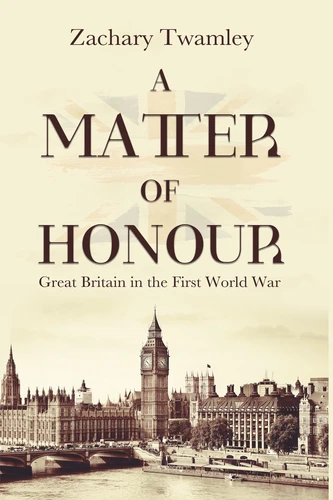
A Matter of Honour: Britain in the First World War
Par :Formats :
Disponible dans votre compte client Decitre ou Furet du Nord dès validation de votre commande. Le format ePub est :
- Compatible avec une lecture sur My Vivlio (smartphone, tablette, ordinateur)
- Compatible avec une lecture sur liseuses Vivlio
- Pour les liseuses autres que Vivlio, vous devez utiliser le logiciel Adobe Digital Edition. Non compatible avec la lecture sur les liseuses Kindle, Remarkable et Sony
 , qui est-ce ?
Notre partenaire de plateforme de lecture numérique où vous retrouverez l'ensemble de vos ebooks gratuitement
Pour en savoir plus sur nos ebooks, consultez notre aide en ligne ici
C'est si simple ! Lisez votre ebook avec l'app Vivlio sur votre tablette, mobile ou ordinateur :

- FormatePub
- ISBN978-1-9196298-5-8
- EAN9781919629858
- Date de parution30/01/2022
- Protection num.pas de protection
- Infos supplémentairesepub
- ÉditeurZack Twamley
Résumé
On 4 August 1914, Britain declared war on Germany, and entered the First World War. It may be tempting to view the conflict as inevitable, or to see British intervention as unavoidable, but the truth was not so simple. Britons had long loathed the prospect of a continental war, and were assured that their nation had a free hand in Europe. Yet, in the first days of August, the debate abruptly changed. This was not simply a question of war, the British Government insisted.
Instead, it was a matter of honour. If Britain stayed neutral, her friends would never trust her again; the country's prestige would plummet; the national honour would be destroyed. 'National honour, ' David Lloyd George proclaimed, 'is a reality, and any nation that disregards it is doomed!' What did these ideas mean, and why did they resonate so effectively with the British public? As Twamley details in this study - based on his award-winning masters' dissertation - the importance of national honour to the decision-makers of 1914 has been largely overlooked.
It is now time to address such shortcomings in the debate, and to place Britain's pivotal decision for war in its proper cultural and ideological context.
Instead, it was a matter of honour. If Britain stayed neutral, her friends would never trust her again; the country's prestige would plummet; the national honour would be destroyed. 'National honour, ' David Lloyd George proclaimed, 'is a reality, and any nation that disregards it is doomed!' What did these ideas mean, and why did they resonate so effectively with the British public? As Twamley details in this study - based on his award-winning masters' dissertation - the importance of national honour to the decision-makers of 1914 has been largely overlooked.
It is now time to address such shortcomings in the debate, and to place Britain's pivotal decision for war in its proper cultural and ideological context.