SOLDES
Jusqu'à -70% sur une sélection d'articles*

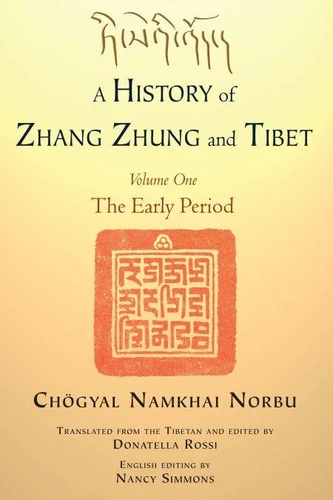
A History of Zhang Zhung and Tibet, Volume One. The Early Period
Par : , ,Formats :
Disponible dans votre compte client Decitre ou Furet du Nord dès validation de votre commande. Le format ePub protégé est :
- Compatible avec une lecture sur My Vivlio (smartphone, tablette, ordinateur)
- Compatible avec une lecture sur liseuses Vivlio
- Pour les liseuses autres que Vivlio, vous devez utiliser le logiciel Adobe Digital Edition. Non compatible avec la lecture sur les liseuses Kindle, Remarkable et Sony
- Non compatible avec un achat hors France métropolitaine
 , qui est-ce ?
Notre partenaire de plateforme de lecture numérique où vous retrouverez l'ensemble de vos ebooks gratuitement
Pour en savoir plus sur nos ebooks, consultez notre aide en ligne ici
C'est si simple ! Lisez votre ebook avec l'app Vivlio sur votre tablette, mobile ou ordinateur :

- Nombre de pages264
- FormatePub
- ISBN978-1-58394-626-8
- EAN9781583946268
- Date de parution14/05/2013
- Protection num.Adobe DRM
- Taille7 Mo
- Infos supplémentairesepub
- ÉditeurNorth Atlantic Books
Résumé
A History of Zhang Zhung and Tibet, Volume One explores ancient Tibet's Zhang Zhung kingdom and Bon religion that preceded the advent of Buddhism in the seventh century. Countering the long-held idea that Tibet's pre-Buddhist indigenous culture was primitive and undeveloped, this book shares the rich cultural origins of the kingdom of Zhang Zhung--the "cradle of Tibetan culture, " which encompassed a vast area of Western and Northern Tibet in an area that includes sacred Mount Kailash.
Presenting the meticulous research of internationally known Dzogchen Buddhist teacher and scholar Chögyal Namkhai Norbu, the book investigates the mysteries of Zhang Zhung's Bon religion, a set of shamanistic and animistic beliefs and practices only recently studied by a handful of academic scholars. Offering a critical analysis of a vast array of literary and primary sources, Norbu discusses the role of the Bon traditions within Zhang Zhung's lineages, dynasties, and culture.
Examining Zhang Zhung's written language, sacred ornaments, rock carvings, healing practices, music, and magical divination techniques, Norbu contributes to an understanding of the roots of Tibetan Buddhist culture and modern-day Bon religion--a practice followed by an estimated ten percent of Tibetans. Table of Contents:Translator's Foreword; A Technical Note about the Translation; I. The Human Generations of Ancient Zhang Zhung; II.
The Bon Lineages of Ancient Zhang Zhung; III. The Royal Lineages of Ancient Zhang Zhung; IV. The Written Language of Ancient Zhang Zhung; V. The Civilization of Ancient Zhang Zhung; Indexes--Tibetan and Zhang Zhung Names and Terms, Textual Sources, Sanskrit Names and Terms, Chinese Names and Terms
Presenting the meticulous research of internationally known Dzogchen Buddhist teacher and scholar Chögyal Namkhai Norbu, the book investigates the mysteries of Zhang Zhung's Bon religion, a set of shamanistic and animistic beliefs and practices only recently studied by a handful of academic scholars. Offering a critical analysis of a vast array of literary and primary sources, Norbu discusses the role of the Bon traditions within Zhang Zhung's lineages, dynasties, and culture.
Examining Zhang Zhung's written language, sacred ornaments, rock carvings, healing practices, music, and magical divination techniques, Norbu contributes to an understanding of the roots of Tibetan Buddhist culture and modern-day Bon religion--a practice followed by an estimated ten percent of Tibetans. Table of Contents:Translator's Foreword; A Technical Note about the Translation; I. The Human Generations of Ancient Zhang Zhung; II.
The Bon Lineages of Ancient Zhang Zhung; III. The Royal Lineages of Ancient Zhang Zhung; IV. The Written Language of Ancient Zhang Zhung; V. The Civilization of Ancient Zhang Zhung; Indexes--Tibetan and Zhang Zhung Names and Terms, Textual Sources, Sanskrit Names and Terms, Chinese Names and Terms