SOLDES
Jusqu'à -70% sur une sélection d'articles*

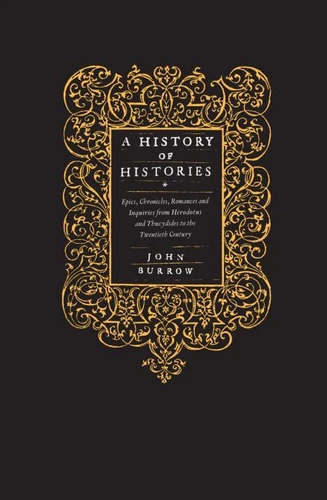
A History of Histories. Epics, Chronicles, Romances and Inquiries from Herodotus and Thucydides to the Twentieth Century
Par :Formats :
Disponible dans votre compte client Decitre ou Furet du Nord dès validation de votre commande. Le format ePub protégé est :
- Compatible avec une lecture sur My Vivlio (smartphone, tablette, ordinateur)
- Compatible avec une lecture sur liseuses Vivlio
- Pour les liseuses autres que Vivlio, vous devez utiliser le logiciel Adobe Digital Edition. Non compatible avec la lecture sur les liseuses Kindle, Remarkable et Sony
- Non compatible avec un achat hors France métropolitaine
 , qui est-ce ?
Notre partenaire de plateforme de lecture numérique où vous retrouverez l'ensemble de vos ebooks gratuitement
Pour en savoir plus sur nos ebooks, consultez notre aide en ligne ici
C'est si simple ! Lisez votre ebook avec l'app Vivlio sur votre tablette, mobile ou ordinateur :

- Nombre de pages576
- FormatePub
- ISBN978-0-14-190437-5
- EAN9780141904375
- Date de parution06/12/2007
- Protection num.Adobe DRM
- Infos supplémentairesepub
- ÉditeurPENGUIN
Résumé
This unprecedented book, by one of Britain's leading intellectual historians, describes the intellectual impact that the study and consideration of the past has had in the western world over the past 2500 years, treating the practise of history not as an isolated pursuit but as an aspect of human society and an essential part of the cultural history of Europe and America. It magnificently brings to life the work of historians from the Greeks to the present, including Livy, Tacitus, Bede, Froissart, Clarendon, Gibbon, Macaulay, Michelet, Prescott and Parkman, explaining their distinctive qualities and allowing the modern reader to appreciate and enjoy them.
But is also examines subjects as diverse as the new perspectives brought about by the rise of Rome, the interests of medieval chroniclers, the introduction into historical narratives of what the eighteenth century called 'sentiment', the effects of Romanticism and the emergence towards the end of the nineteenth century of an historical profession. It sets out to be not the history of an academic discipline, but a history of choice: the choice of pasts, and the ways they have been demarcated, investigated, presented and even sometimes learned from as they have changed according to political, religious, cultural and (often most importantly) patriotic circumstances.
The book also aims to change our perceptions of the main turning points in the history of history. It dispels persistent myths, such as that the ancient historians wrote only contemporary history and had a purely cyclical view of time, that the eighteenth century lacked understanding of the past and that the critical study of sources began only with Ranke in the nineteenth century. The ideas that historians have had about both their own times and their civilization emerge freshly and often unexpectedly.
Burrow argues that looking at the history of history is one of the most interesting ways we can try to understand the past. Nothing on the scale of or with the ambition of his book has yet been attempted in English.
But is also examines subjects as diverse as the new perspectives brought about by the rise of Rome, the interests of medieval chroniclers, the introduction into historical narratives of what the eighteenth century called 'sentiment', the effects of Romanticism and the emergence towards the end of the nineteenth century of an historical profession. It sets out to be not the history of an academic discipline, but a history of choice: the choice of pasts, and the ways they have been demarcated, investigated, presented and even sometimes learned from as they have changed according to political, religious, cultural and (often most importantly) patriotic circumstances.
The book also aims to change our perceptions of the main turning points in the history of history. It dispels persistent myths, such as that the ancient historians wrote only contemporary history and had a purely cyclical view of time, that the eighteenth century lacked understanding of the past and that the critical study of sources began only with Ranke in the nineteenth century. The ideas that historians have had about both their own times and their civilization emerge freshly and often unexpectedly.
Burrow argues that looking at the history of history is one of the most interesting ways we can try to understand the past. Nothing on the scale of or with the ambition of his book has yet been attempted in English.