SOLDES
Jusqu'à -70% sur une sélection d'articles*

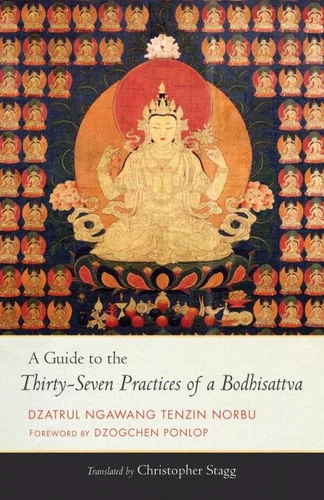
A Guide to the Thirty-Seven Practices of a Bodhisattva
Par : ,Formats :
Disponible dans votre compte client Decitre ou Furet du Nord dès validation de votre commande. Le format ePub protégé est :
- Compatible avec une lecture sur My Vivlio (smartphone, tablette, ordinateur)
- Compatible avec une lecture sur liseuses Vivlio
- Pour les liseuses autres que Vivlio, vous devez utiliser le logiciel Adobe Digital Edition. Non compatible avec la lecture sur les liseuses Kindle, Remarkable et Sony
- Non compatible avec un achat hors France métropolitaine
 , qui est-ce ?
Notre partenaire de plateforme de lecture numérique où vous retrouverez l'ensemble de vos ebooks gratuitement
Pour en savoir plus sur nos ebooks, consultez notre aide en ligne ici
C'est si simple ! Lisez votre ebook avec l'app Vivlio sur votre tablette, mobile ou ordinateur :

- Nombre de pages312
- FormatePub
- ISBN978-0-8348-4286-1
- EAN9780834842861
- Date de parution11/08/2020
- Protection num.Adobe DRM
- Taille6 Mo
- Infos supplémentairesepub
- ÉditeurSnow Lion
Résumé
A fresh translation and commentary to Tibet's most famous text on living like a bodhisattvaWho are bodhisattvas and what do they practice? In the fourteenth century, the Tibetan Buddhist master Gyalse Tokmé Zangpo answered these questions in a now classic teaching called the Thirty-Seven Practices of a Bodhisattva. This text, consisting of inspiring verses distilling the entire Mahayana path of compassion, continues to inspire modern-day Buddhist masters, including His Holiness the Dalai Lama.
One of the most important commentaries on the Thirty-Seven Practices is by the twentieth-century master Dzatrul Ngawang Tenzin Norbu, known as the Buddha of Dza Rongphu, and is translated here along with associated meditation instructions for the first time. Dzogchen Ponlop Rinpoche, who requested this translation by Christopher Stagg, provides an informative overview to the history of the text and commentary, introducing the reader to the world of one of Tibet's most widely studied texts.
One of the most important commentaries on the Thirty-Seven Practices is by the twentieth-century master Dzatrul Ngawang Tenzin Norbu, known as the Buddha of Dza Rongphu, and is translated here along with associated meditation instructions for the first time. Dzogchen Ponlop Rinpoche, who requested this translation by Christopher Stagg, provides an informative overview to the history of the text and commentary, introducing the reader to the world of one of Tibet's most widely studied texts.