SOLDES
Jusqu'à -70% sur une sélection d'articles*

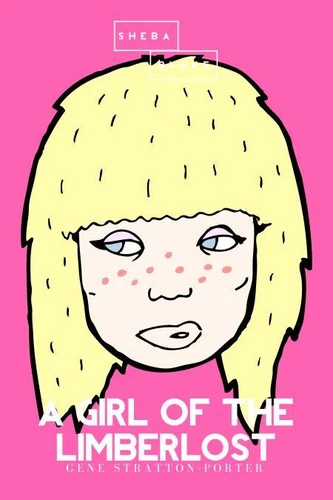
A Girl of the Limberlost | The Pink Classics
Par : ,Formats :
Disponible dans votre compte client Decitre ou Furet du Nord dès validation de votre commande. Le format ePub est :
- Compatible avec une lecture sur My Vivlio (smartphone, tablette, ordinateur)
- Compatible avec une lecture sur liseuses Vivlio
- Pour les liseuses autres que Vivlio, vous devez utiliser le logiciel Adobe Digital Edition. Non compatible avec la lecture sur les liseuses Kindle, Remarkable et Sony
 , qui est-ce ?
Notre partenaire de plateforme de lecture numérique où vous retrouverez l'ensemble de vos ebooks gratuitement
Pour en savoir plus sur nos ebooks, consultez notre aide en ligne ici
C'est si simple ! Lisez votre ebook avec l'app Vivlio sur votre tablette, mobile ou ordinateur :

- Nombre de pages250
- FormatePub
- ISBN978-3-96255-219-0
- EAN9783962552190
- Date de parution07/09/2017
- Protection num.pas de protection
- Taille353 Ko
- Infos supplémentairesepub
- ÉditeurMusaicum Books
Résumé
A Girl of the Limberlost, a novel by American writer and naturalist Gene Stratton-Porter, was published in August 1909. It is considered a classic of Indiana literature. It is the sequel to her earlier novel Freckles. Patricia Raub (Senior Lecturer of American Studies at the University of Massachusetts Boston) notes that Stratton-Porter was "one of the most popular woman novelists of the era, who was known for her nature books and her editorials on McCall's 'Gene Stratton-Porter Page' as well as for her novels." Raub writes, "At the time of her death in 1924, more than ten million copies of her books had been sold - and four more books were published after her death." The story takes place in Indiana, in and around the Limberlost Swamp.
Even at the time, this impressive wetland region was being reduced by heavy logging, natural oil extraction and drainage for agriculture. (The swamp and forestland eventually ceased to exist, though projects since the 1990s have begun to restore a small part of it.)
Even at the time, this impressive wetland region was being reduced by heavy logging, natural oil extraction and drainage for agriculture. (The swamp and forestland eventually ceased to exist, though projects since the 1990s have begun to restore a small part of it.)
A propos de Gene Stratton-Porter

0,99 €

Michael O'Halloran
E-book
1,99 €
1,99 €
The Harvester
E-book
0,99 €
1,99 €
0,99 €
Her Father's Daughter
E-book
0,99 €
0,99 €
The White Flag
E-book
0,99 €
0,99 €
0,99 €
A Daughter of the Land
E-book
2,99 €