SOLDES
Jusqu'à -70% sur une sélection d'articles*

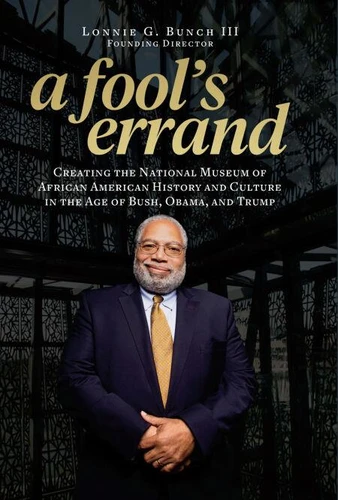
A Fool's Errand. Creating the National Museum of African American History and Culture in the Age of Bush, Obama, and Trump
Par :Formats :
Disponible dans votre compte client Decitre ou Furet du Nord dès validation de votre commande. Le format ePub protégé est :
- Compatible avec une lecture sur My Vivlio (smartphone, tablette, ordinateur)
- Compatible avec une lecture sur liseuses Vivlio
- Pour les liseuses autres que Vivlio, vous devez utiliser le logiciel Adobe Digital Edition. Non compatible avec la lecture sur les liseuses Kindle, Remarkable et Sony
- Non compatible avec un achat hors France métropolitaine
 , qui est-ce ?
Notre partenaire de plateforme de lecture numérique où vous retrouverez l'ensemble de vos ebooks gratuitement
Pour en savoir plus sur nos ebooks, consultez notre aide en ligne ici
C'est si simple ! Lisez votre ebook avec l'app Vivlio sur votre tablette, mobile ou ordinateur :

- Nombre de pages288
- FormatePub
- ISBN978-1-58834-677-3
- EAN9781588346773
- Date de parution24/09/2019
- Protection num.Adobe DRM
- Taille17 Mo
- Infos supplémentairesepub
- ÉditeurSmithsonian Books
Résumé
Founding Director Lonnie Bunch's deeply personal tale of the triumphs and challenges of bringing the Smithsonian National Museum of African American History and Culture to life. His story is by turns inspiring, funny, frustrating, quixotic, bittersweet, and above all, a compelling read. In its first four months of operation, the Smithsonian National Museum of African American History and Culture surpassed one million visits and quickly became a cherished, vital monument to the African American experience.
And yet this accomplishment was never assured. In A Fool's Errand, founding director Lonnie Bunch tells his story of bringing his clear vision and leadership to realize this shared dream of many generations of Americans. Outlining the challenges of site choice, architect selection, building design, and the compilation of an unparalleled collection of African American artifacts, Bunch also delves into his personal struggles--especially the stress of a high-profile undertaking--and the triumph of establishing such an institution without mentors or guidebooks to light the way.
His memoir underscores his determination to create a museum that treats the black experience as an essential component of every American's identity. This inside account of how Bunch planned, managed, and executed the museum's mission informs and inspires not only readers working in museums, cultural institutions, and activist groups, but also those in the nonprofit and business worlds who wish to understand how to succeed--and do it spectacularly--in the face of major political, structural, and financial challenges.
And yet this accomplishment was never assured. In A Fool's Errand, founding director Lonnie Bunch tells his story of bringing his clear vision and leadership to realize this shared dream of many generations of Americans. Outlining the challenges of site choice, architect selection, building design, and the compilation of an unparalleled collection of African American artifacts, Bunch also delves into his personal struggles--especially the stress of a high-profile undertaking--and the triumph of establishing such an institution without mentors or guidebooks to light the way.
His memoir underscores his determination to create a museum that treats the black experience as an essential component of every American's identity. This inside account of how Bunch planned, managed, and executed the museum's mission informs and inspires not only readers working in museums, cultural institutions, and activist groups, but also those in the nonprofit and business worlds who wish to understand how to succeed--and do it spectacularly--in the face of major political, structural, and financial challenges.