SOLDES
Jusqu'à -70% sur une sélection d'articles*

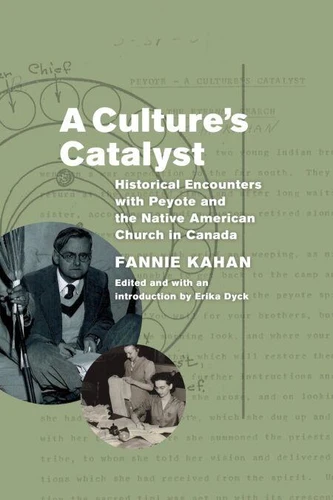
A Culture's Catalyst. Historical Encounters with Peyote and the Native American Church in Canada
Par : , , , ,Formats :
Disponible dans votre compte client Decitre ou Furet du Nord dès validation de votre commande. Le format ePub est :
- Compatible avec une lecture sur My Vivlio (smartphone, tablette, ordinateur)
- Compatible avec une lecture sur liseuses Vivlio
- Pour les liseuses autres que Vivlio, vous devez utiliser le logiciel Adobe Digital Edition. Non compatible avec la lecture sur les liseuses Kindle, Remarkable et Sony
 , qui est-ce ?
Notre partenaire de plateforme de lecture numérique où vous retrouverez l'ensemble de vos ebooks gratuitement
Pour en savoir plus sur nos ebooks, consultez notre aide en ligne ici
C'est si simple ! Lisez votre ebook avec l'app Vivlio sur votre tablette, mobile ou ordinateur :

- Nombre de pages176
- FormatePub
- ISBN978-0-88755-506-0
- EAN9780887555060
- Date de parution06/05/2016
- Protection num.Digital Watermarking
- Taille2 Mo
- Infos supplémentairesepub
- ÉditeurUniversity of Manitoba Press
Résumé
In 1956, pioneering psychedelic researchers Abram Hoffer and Humphry Osmond were invited to join members of the Red Pheasant First Nation near North Battleford, Saskatchewan, to participate in a peyote ceremony hosted by the Native American Church of Canada.
Inspired by their experience, they wrote a series of essays explaining and defending the consumption of peyote and the practice of peyotism.
They enlisted the help of Hoffer's sister, journalist Fannie Kahan, and worked closely with her to document the religious ceremony and write a history of peyote, culminating in a defense of its use as a healing and spiritual agent. Although the text shows its mid-century origins, with dated language and at times uncritical analysis, it advocates for Indigenous legal, political, and religious rights and offers important insights into how psychedelic researchers, who were themselves embattled in debates over the value of spirituality in medicine, interpreted the peyote ceremony.
Ultimately, they championed peyotism as a spiritual practice that they believed held distinct cultural benefits. A Culture's Catalyst revives a historical debate. Revisiting it now encourages us to reconsider how peyote has been understood and how its appearance in the 1950s tested Native-newcomer relations and the Canadian government's attitudes toward Indigenous religious and cultural practices.
They enlisted the help of Hoffer's sister, journalist Fannie Kahan, and worked closely with her to document the religious ceremony and write a history of peyote, culminating in a defense of its use as a healing and spiritual agent. Although the text shows its mid-century origins, with dated language and at times uncritical analysis, it advocates for Indigenous legal, political, and religious rights and offers important insights into how psychedelic researchers, who were themselves embattled in debates over the value of spirituality in medicine, interpreted the peyote ceremony.
Ultimately, they championed peyotism as a spiritual practice that they believed held distinct cultural benefits. A Culture's Catalyst revives a historical debate. Revisiting it now encourages us to reconsider how peyote has been understood and how its appearance in the 1950s tested Native-newcomer relations and the Canadian government's attitudes toward Indigenous religious and cultural practices.