SOLDES
Jusqu'à -70% sur une sélection d'articles*


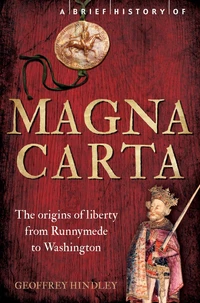
A Brief History of the Magna Carta
Par :Formats :
Disponible dans votre compte client Decitre ou Furet du Nord dès validation de votre commande. Le format ePub protégé est :
- Compatible avec une lecture sur My Vivlio (smartphone, tablette, ordinateur)
- Compatible avec une lecture sur liseuses Vivlio
- Pour les liseuses autres que Vivlio, vous devez utiliser le logiciel Adobe Digital Edition. Non compatible avec la lecture sur les liseuses Kindle, Remarkable et Sony
- Non compatible avec un achat hors France métropolitaine
 , qui est-ce ?
Notre partenaire de plateforme de lecture numérique où vous retrouverez l'ensemble de vos ebooks gratuitement
Pour en savoir plus sur nos ebooks, consultez notre aide en ligne ici
C'est si simple ! Lisez votre ebook avec l'app Vivlio sur votre tablette, mobile ou ordinateur :

- Nombre de pages160
- FormatePub
- ISBN978-1-4721-0925-5
- EAN9781472109255
- Date de parution13/02/2013
- Protection num.Adobe DRM
- Infos supplémentairesepub
- ÉditeurRobinson
Résumé
In 1215, the Barons of England forced King John to sign a revolutionary document which would change the political landscape of Britain and beyond for the next 800 years. Magna Carta was the forerunner of the Constitution that limited the powers of the crown and its echoes can be found in the seventeenth century Civil Wars, the struggles for American Independence, the work of Thomas Paine and in the bedrock of all contemporary liberal nations.
As civil liberties and the rule of law are increasingly under question as part of the 'War on Terror', it has never been more essential to return to the original document, signed at Runnymede in June 1215. Leading medieval historian Geoffrey Hindley retells the story of events leading up to the conference and looks at the document itself, showing how it has resonated over centuries and throughout the world.
As civil liberties and the rule of law are increasingly under question as part of the 'War on Terror', it has never been more essential to return to the original document, signed at Runnymede in June 1215. Leading medieval historian Geoffrey Hindley retells the story of events leading up to the conference and looks at the document itself, showing how it has resonated over centuries and throughout the world.