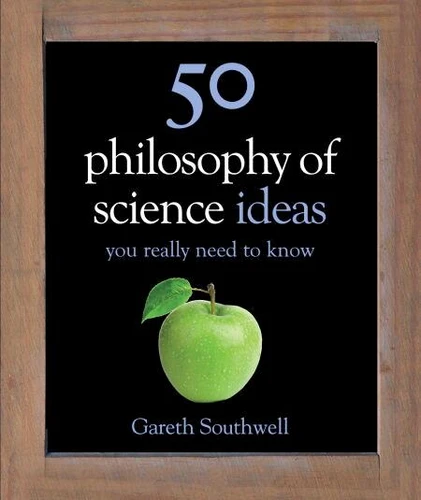
50 Philosophy of Science Ideas You Really Need to Know
Par :Formats :
Disponible dans votre compte client Decitre ou Furet du Nord dès validation de votre commande. Le format ePub protégé est :
- Compatible avec une lecture sur My Vivlio (smartphone, tablette, ordinateur)
- Compatible avec une lecture sur liseuses Vivlio
- Pour les liseuses autres que Vivlio, vous devez utiliser le logiciel Adobe Digital Edition. Non compatible avec la lecture sur les liseuses Kindle, Remarkable et Sony
- Non compatible avec un achat hors France métropolitaine
 , qui est-ce ?
Notre partenaire de plateforme de lecture numérique où vous retrouverez l'ensemble de vos ebooks gratuitement
Pour en savoir plus sur nos ebooks, consultez notre aide en ligne ici
C'est si simple ! Lisez votre ebook avec l'app Vivlio sur votre tablette, mobile ou ordinateur :

- Nombre de pages208
- FormatePub
- ISBN978-1-78206-142-7
- EAN9781782061427
- Date de parution25/09/2013
- Protection num.Adobe DRM
- Infos supplémentairesepub
- ÉditeurGreenfinch
Résumé
Science first began as a branch of philosophy, but it has since grown up and moved out of the family home, and its successes have put its parent in the shade. Thanks to scientific knowledge we have walked on the Moon, cured once-fatal illnesses, and even identified the very building blocks of life and the universe. But it is these very successes that underline the need for philosophy. How much should we trust the pronouncements of scientists that we read in the media? What are the ethical implications of our delving into the foundations of our DNA, reproductive treatments, or artificially prolonging life? And are there limits to what science can tell us about the world we think we know? In straightforward and accessible terms, 50 Philosophy of Science Ideas You Really Need to Know explains the key philosophical questions that continue to lie at the heart of the nature and practice of science today.
The ideas explored include: Appearance and reality; Knowledge; Anti-realism; Metaphysics; Science and gender; Phenomenology and science.
The ideas explored include: Appearance and reality; Knowledge; Anti-realism; Metaphysics; Science and gender; Phenomenology and science.