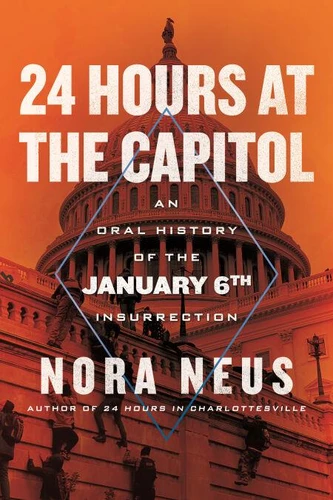
24 Hours at the Capitol. An Oral History of the January 6th Insurrection
Par :Formats :
Disponible dans votre compte client Decitre ou Furet du Nord dès validation de votre commande. Le format ePub protégé est :
- Compatible avec une lecture sur My Vivlio (smartphone, tablette, ordinateur)
- Compatible avec une lecture sur liseuses Vivlio
- Pour les liseuses autres que Vivlio, vous devez utiliser le logiciel Adobe Digital Edition. Non compatible avec la lecture sur les liseuses Kindle, Remarkable et Sony
- Non compatible avec un achat hors France métropolitaine
 , qui est-ce ?
Notre partenaire de plateforme de lecture numérique où vous retrouverez l'ensemble de vos ebooks gratuitement
Pour en savoir plus sur nos ebooks, consultez notre aide en ligne ici
C'est si simple ! Lisez votre ebook avec l'app Vivlio sur votre tablette, mobile ou ordinateur :

- Nombre de pages240
- FormatePub
- ISBN978-0-8070-2063-0
- EAN9780807020630
- Date de parution30/12/2025
- Protection num.Adobe DRM
- Taille4 Mo
- Infos supplémentairesepub
- ÉditeurBeacon Press
Résumé
The 24 Hours in Charlottesville author offers a minute-by-minute account of the January 6 riots through never-before-heard stories of those who were there Neus goes beyond mainstream reporting to reveal important truths about the US white nationalist movementThis bracing account reconstructs what it was actually like in and around the Capitol during those 24 hours. Lawmakers recount donning gas masks and being evacuated to safe rooms.
Police officers recall insurrectionists screaming at them and calling them traitors. Staffers remember "walking over pools of blood" as they ran for their lives. A young Asian-American staffer recalls locking herself in a room just feet from the rioters, mentally preparing to be raped. A mostly Black janitorial staff began cleaning the blood of insurrectionists off the marble floor on the Capitol before the building was even officially secured.
Neus's sources include original interviews, court documents, firsthand accounts, the US Capitol Historical Society's oral history project on the insurrection, and the work of Tim Heaphy, chief investigator of the congressional January 6 Select Committee. January 6 was largely planned right out in the open, but lawmakers and government officials underestimated the threat in part because it was coming from white people.
Neus examines the underlying racial implications of not only the attack itself, but also in the planning and coordination of the response.
Police officers recall insurrectionists screaming at them and calling them traitors. Staffers remember "walking over pools of blood" as they ran for their lives. A young Asian-American staffer recalls locking herself in a room just feet from the rioters, mentally preparing to be raped. A mostly Black janitorial staff began cleaning the blood of insurrectionists off the marble floor on the Capitol before the building was even officially secured.
Neus's sources include original interviews, court documents, firsthand accounts, the US Capitol Historical Society's oral history project on the insurrection, and the work of Tim Heaphy, chief investigator of the congressional January 6 Select Committee. January 6 was largely planned right out in the open, but lawmakers and government officials underestimated the threat in part because it was coming from white people.
Neus examines the underlying racial implications of not only the attack itself, but also in the planning and coordination of the response.