SOLDES
Jusqu'à -70% sur une sélection d'articles*

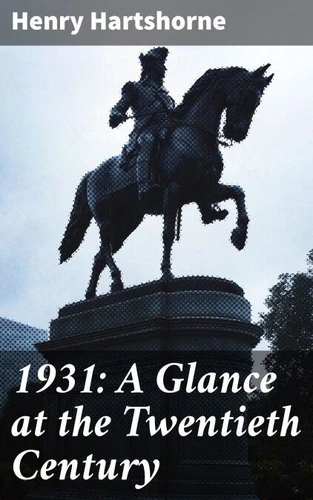
1931: A Glance at the Twentieth Century. Exploring the Cultural Tapestry of a Transformative Century
Par :Formats :
Disponible dans votre compte client Decitre ou Furet du Nord dès validation de votre commande. Le format ePub est :
- Compatible avec une lecture sur My Vivlio (smartphone, tablette, ordinateur)
- Compatible avec une lecture sur liseuses Vivlio
- Pour les liseuses autres que Vivlio, vous devez utiliser le logiciel Adobe Digital Edition. Non compatible avec la lecture sur les liseuses Kindle, Remarkable et Sony
 , qui est-ce ?
Notre partenaire de plateforme de lecture numérique où vous retrouverez l'ensemble de vos ebooks gratuitement
Pour en savoir plus sur nos ebooks, consultez notre aide en ligne ici
C'est si simple ! Lisez votre ebook avec l'app Vivlio sur votre tablette, mobile ou ordinateur :

- Nombre de pages124
- FormatePub
- ISBN406-4-06-610249-4
- EAN4064066102494
- Date de parution16/03/2020
- Protection num.Digital Watermarking
- Taille418 Ko
- Infos supplémentairesepub
- ÉditeurGOOD PRESS
Résumé
In "1931: A Glance at the Twentieth Century, " Henry Hartshorne offers a prescient examination of the tumultuous social, political, and economic landscapes of early 20th-century America. Written in a reflective and analytical style, Hartshorne adeptly intertwines historical events with philosophical reflections, drawing attention to the emerging modern dilemmas of the era. Positioned at the intersection of social commentary and a personal chronicle, this work scrutinizes the pervasive themes of disillusionment and hope that characterized the Depression-era psyche, thereby inviting readers to contemplate the future trajectories of human endeavor and societal structure.
Henry Hartshorne, an influential thinker and philosopher of the early 20th century, drew from his academic background in psychology and ethics, which profoundly informed his interpretation of societal trends. His keen insights were shaped by the prevailing crises of the time, including the Great Depression and the rise of totalitarian ideologies, spurring him to investigate the moral and ethical implications of such rapid changes.
Hartshorne's commitment to understanding human behavior in social contexts adds a rich layer to his analysis, making his work a vehicle for philosophical exploration. This book is highly recommended for historians, sociologists, and general readers interested in deciphering the complexities of modernity's early challenges. Hartshorne's thoughtful synthesis of events and ideas will resonate with anyone seeking to grasp the wider implications of the 20th century, making it an essential addition to the canon of American thought.
Henry Hartshorne, an influential thinker and philosopher of the early 20th century, drew from his academic background in psychology and ethics, which profoundly informed his interpretation of societal trends. His keen insights were shaped by the prevailing crises of the time, including the Great Depression and the rise of totalitarian ideologies, spurring him to investigate the moral and ethical implications of such rapid changes.
Hartshorne's commitment to understanding human behavior in social contexts adds a rich layer to his analysis, making his work a vehicle for philosophical exploration. This book is highly recommended for historians, sociologists, and general readers interested in deciphering the complexities of modernity's early challenges. Hartshorne's thoughtful synthesis of events and ideas will resonate with anyone seeking to grasp the wider implications of the 20th century, making it an essential addition to the canon of American thought.