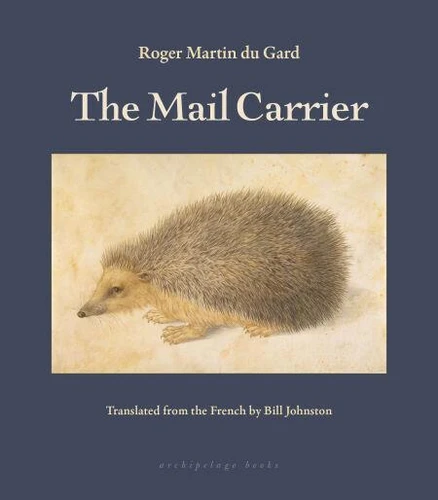
A propulsively prying sketch of French village life from Nobel laureate Roger Martin du Gard, an admired contemporary of André Gide & Albert CamusThe Mail Carrier opens with the pink shadows of dawn and closes in the red glow of sunset's rays. In between, a day unfolds like a crumpled missive that has fallen into the wrong hands. As Joigneau the postman sets off on his rounds, he already knows more than he lets on (he has a habit of steaming open envelopes and delivering them a day late).
Each morning, Joigneau indulges in the town's "little secrets of the moment" sorting through his stuffed sack of telegrams, letters, bills, and summonses. Unscrupulous and crafty, he keeps extra brochures in his pocket-a ready excuse to enter anyone's home as his curiosity moves him. His roving eyes expose the often petty, circumscribed world of the villagers (and his own unsavory motives). The bakery's fobbing off old loaves on customers.
The bartender at the café-tabac is scheming to move into old mother Daigne's envied "villa." Pregnant women avoid the grocery, afraid of the evil eye of its proprietor sulking in the back room. What Roger Martin du Gard calls his "simple album of village sketches" renders the presumptions and concerns of the villagers in clear, light-footed prose that captures the vital rhythm of provincial life. The Mail Carrier, like the changing light that moves over the town, is a revealing and beautiful force.
A propulsively prying sketch of French village life from Nobel laureate Roger Martin du Gard, an admired contemporary of André Gide & Albert CamusThe Mail Carrier opens with the pink shadows of dawn and closes in the red glow of sunset's rays. In between, a day unfolds like a crumpled missive that has fallen into the wrong hands. As Joigneau the postman sets off on his rounds, he already knows more than he lets on (he has a habit of steaming open envelopes and delivering them a day late).
Each morning, Joigneau indulges in the town's "little secrets of the moment" sorting through his stuffed sack of telegrams, letters, bills, and summonses. Unscrupulous and crafty, he keeps extra brochures in his pocket-a ready excuse to enter anyone's home as his curiosity moves him. His roving eyes expose the often petty, circumscribed world of the villagers (and his own unsavory motives). The bakery's fobbing off old loaves on customers.
The bartender at the café-tabac is scheming to move into old mother Daigne's envied "villa." Pregnant women avoid the grocery, afraid of the evil eye of its proprietor sulking in the back room. What Roger Martin du Gard calls his "simple album of village sketches" renders the presumptions and concerns of the villagers in clear, light-footed prose that captures the vital rhythm of provincial life. The Mail Carrier, like the changing light that moves over the town, is a revealing and beautiful force.