OFFRE LISEUSES
Une liseuse achetée = une housse offerte* jusqu'au 21 juin
- Accueil /
- Charles Dickens

Charles Dickens
Biographie de
Charles Dickens
Charles Dickens, le plus grand romancier de l’époque victorienne, est né le 7 février 1812 à Landport dans l’Hampshire. Après une enfance de misère et de pauvreté, il n’est pas resté longtemps à l’école et a commencé à travailler dès l’âge de 12 ans en tant que colleur d’étiquettes sur des bouteilles chez Warren. Ayant axé la plupart de ses écrits sur la défense du droit de l’homme, il devint très vite célèbre grâce à ses œuvres finement particulières. La philosophie de ses ouvrages se fonde particulièrement sur le droit des enfants ; il plaide également pour l’éducation pour tous et le droit des femmes. Et c’est à juste titre qu’il publiera « Oliver Twist », un livre racontant la vie d’un jeune garçon orphelin en Angleterre au XIXe siècle.
Appauvri et se laissant toujours mal traiter, il décide enfin de riposter et s’enfuit vers Londres où il connait une nouvelle vie pleine de surprises. Toujours pour la même cause, il a travaillé sur une œuvre intitulée « Les grandes espérances » dans laquelle il évoque une histoire et une moralité sur l’enfance et l’adolescence et où il fait alterner aussi bien les moments tristes qu’heureux de sa vie.
Charles Dickens, le plus grand romancier de l’époque victorienne, est né le 7 février 1812 à Landport dans l’Hampshire. Après une enfance de misère et de pauvreté, il n’est pas resté longtemps à l’école et a commencé à travailler dès l’âge de 12 ans en tant que colleur d’étiquettes sur des bouteilles chez Warren. Ayant axé la plupart de ses écrits sur la défense du droit de l’homme, il devint très vite célèbre grâce à ses œuvres finement particulières. La philosophie de ses ouvrages se fonde particulièrement sur le droit des enfants ; il plaide également pour l’éducation pour tous et le droit des femmes. Et c’est à juste titre qu’il publiera « Oliver Twist », un livre racontant la vie d’un jeune garçon orphelin en Angleterre au XIXe siècle.
Appauvri et se laissant toujours mal traiter, il décide enfin de riposter et s’enfuit vers Londres où il connait une nouvelle vie pleine de surprises. Toujours pour la même cause, il a travaillé sur une œuvre intitulée « Les grandes espérances » dans laquelle il évoque une histoire et une moralité sur l’enfance et l’adolescence et où il fait alterner aussi bien les moments tristes qu’heureux de sa vie.

Dernière sortie
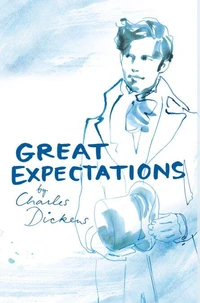
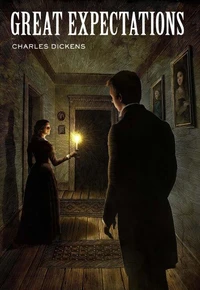
Great Expectations
GREAT EXPECTATIONS is Charles Dickens' thirteenth novel and his penultimate completed novel; a bildungsroman which depicts the personal growth and personal development of an orphan nicknamed Pip. It is Dickens's second novel, after David Copperfield, to be fully narrated in the first person. The novel was first published as a serial in Dickens's weekly periodical All the Year Round, from 1 December 1860 to August 1861.
In October 1861, Chapman and Hall published the novel in three volumes. It is set among marshes in Kent, and in London, in the early to mid-1800s, and contains some of Dickens' most memorable scenes, including the opening, in a graveyard, where the young Pip is accosted by the escaped convict, Abel Magwitch. GREAT EXPECTATIONS is full of extreme imagery -poverty; prison ships and chains, and fights to the death-and has a colorful cast of characters who have entered popular culture.
Dickens's themes include wealth and poverty, love and rejection, and the eventual triumph of good over evil. GREAT EXPECTATIONS is popular both with readers and literary critics, and has been translated into many languages, and adapted numerous times into various media. Upon its release, the novel received near universal acclaim. Thomas Carlyle spoke disparagingly of "all that Pip's nonsense". Later, George Bernard Shaw praised the novel, as "All of one piece and consistently truthful." During the serial publication, Dickens was pleased with public response to GREAT EXPECTATIONS and its sales; when the plot first formed in his mind, he called it "a very fine, new and grotesque idea."
In October 1861, Chapman and Hall published the novel in three volumes. It is set among marshes in Kent, and in London, in the early to mid-1800s, and contains some of Dickens' most memorable scenes, including the opening, in a graveyard, where the young Pip is accosted by the escaped convict, Abel Magwitch. GREAT EXPECTATIONS is full of extreme imagery -poverty; prison ships and chains, and fights to the death-and has a colorful cast of characters who have entered popular culture.
Dickens's themes include wealth and poverty, love and rejection, and the eventual triumph of good over evil. GREAT EXPECTATIONS is popular both with readers and literary critics, and has been translated into many languages, and adapted numerous times into various media. Upon its release, the novel received near universal acclaim. Thomas Carlyle spoke disparagingly of "all that Pip's nonsense". Later, George Bernard Shaw praised the novel, as "All of one piece and consistently truthful." During the serial publication, Dickens was pleased with public response to GREAT EXPECTATIONS and its sales; when the plot first formed in his mind, he called it "a very fine, new and grotesque idea."
GREAT EXPECTATIONS is Charles Dickens' thirteenth novel and his penultimate completed novel; a bildungsroman which depicts the personal growth and personal development of an orphan nicknamed Pip. It is Dickens's second novel, after David Copperfield, to be fully narrated in the first person. The novel was first published as a serial in Dickens's weekly periodical All the Year Round, from 1 December 1860 to August 1861.
In October 1861, Chapman and Hall published the novel in three volumes. It is set among marshes in Kent, and in London, in the early to mid-1800s, and contains some of Dickens' most memorable scenes, including the opening, in a graveyard, where the young Pip is accosted by the escaped convict, Abel Magwitch. GREAT EXPECTATIONS is full of extreme imagery -poverty; prison ships and chains, and fights to the death-and has a colorful cast of characters who have entered popular culture.
Dickens's themes include wealth and poverty, love and rejection, and the eventual triumph of good over evil. GREAT EXPECTATIONS is popular both with readers and literary critics, and has been translated into many languages, and adapted numerous times into various media. Upon its release, the novel received near universal acclaim. Thomas Carlyle spoke disparagingly of "all that Pip's nonsense". Later, George Bernard Shaw praised the novel, as "All of one piece and consistently truthful." During the serial publication, Dickens was pleased with public response to GREAT EXPECTATIONS and its sales; when the plot first formed in his mind, he called it "a very fine, new and grotesque idea."
In October 1861, Chapman and Hall published the novel in three volumes. It is set among marshes in Kent, and in London, in the early to mid-1800s, and contains some of Dickens' most memorable scenes, including the opening, in a graveyard, where the young Pip is accosted by the escaped convict, Abel Magwitch. GREAT EXPECTATIONS is full of extreme imagery -poverty; prison ships and chains, and fights to the death-and has a colorful cast of characters who have entered popular culture.
Dickens's themes include wealth and poverty, love and rejection, and the eventual triumph of good over evil. GREAT EXPECTATIONS is popular both with readers and literary critics, and has been translated into many languages, and adapted numerous times into various media. Upon its release, the novel received near universal acclaim. Thomas Carlyle spoke disparagingly of "all that Pip's nonsense". Later, George Bernard Shaw praised the novel, as "All of one piece and consistently truthful." During the serial publication, Dickens was pleased with public response to GREAT EXPECTATIONS and its sales; when the plot first formed in his mind, he called it "a very fine, new and grotesque idea."
Les livres de Charles Dickens

The Adventures of Oliver Twist. Unabridged with the Original Illustrations by George Cruikshank
Charles Dickens, George Cruikshank
E-book
0,99 €

0,99 €

1,89 €

0,99 €

0,99 €

Dickens' Greatest Christmas Books: 5 books in 1 volume
Charles Dickens, John Leech, John Thompson
E-book
0,99 €

8,49 €

9,19 €

Great Expectations (Unabridged with the original illustrations by Charles Green)
Charles Dickens, Charles Green
E-book
0,99 €

5 Christmas Books (Unabridged and Fully Illustrated: A Christmas Carol; The Chimes; The Cricket on the Hearth; The Battle of Life; The Haunted Man)
Charles Dickens, John Leech, John Thompson
E-book
0,99 €

0,99 €

Dickens' Christmas Stories (20 original stories as published between the years 1850 and 1867 in collaboration with Wilkie Collins and others in Dickens' own Magazines)
Charles Dickens, Wilkie Collins, Elizabeth Gaskell
E-book
0,99 €

A Tale of Two Cities (Unabridged with the original illustrations by Phiz)
Phiz Phiz, Charles Dickens
E-book
0,99 €


9,99 €

1/5
9,99 €

5/5
5/5
3,40 €

4.2/5
3,40 €

5/5
5/5
6,99 €