SOLDES
Jusqu'à -70% sur une sélection d'articles*
Dernière sortie
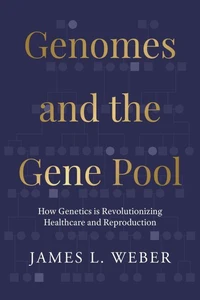
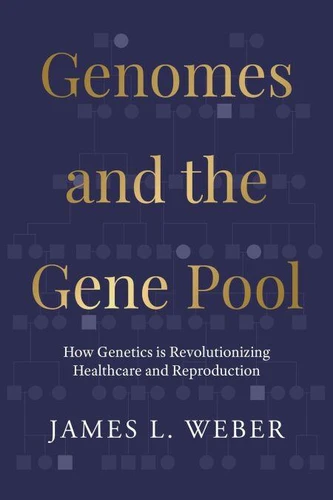
Genomes and the Gene Pool: How Genetics is Revolutionizing Healthcare and Reproduction
The Human Gene Pool is in JeopardyGenomes and the Gene Pool is an up-to-date overview of the science of human genetics with an emphasis on how genetics affects the lives of individuals and the future of our species. Part I provides a basic introduction to human genetics with a description of how genetics is improving healthcare. Part II covers reproductive planning, evolution of human intelligence, and recent changes to the forces that shaped our evolution.
The gene pool problem is one of the greatest challenges facing humanity today. Each baby that is born has about 1, 000 mutations, and many more of these are deleterious than advantageous. Up until about 1800, brutal natural selection kept the deleterious mutations in check. But since 1800 advances in human societies have substantially relaxed natural selection such that deleterious mutations are now accumulating in our genomes.
This is the gene pool problem. Unless this problem is solved, human societies will inevitably decline.
The gene pool problem is one of the greatest challenges facing humanity today. Each baby that is born has about 1, 000 mutations, and many more of these are deleterious than advantageous. Up until about 1800, brutal natural selection kept the deleterious mutations in check. But since 1800 advances in human societies have substantially relaxed natural selection such that deleterious mutations are now accumulating in our genomes.
This is the gene pool problem. Unless this problem is solved, human societies will inevitably decline.