SOLDES
Jusqu'à -70% sur une sélection d'articles*
Dernière sortie
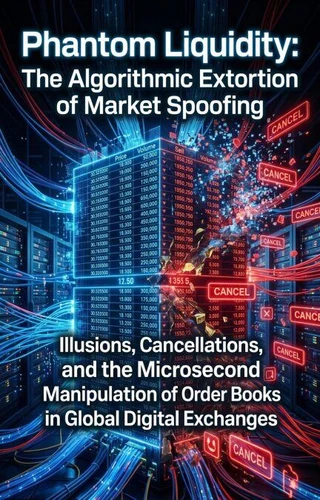
Phantom Liquidity: The Algorithmic Extortion of Market Spoofing
How can a single trader working from a suburban bedroom trigger a massive, multi-billion-dollar flash crash on the global stock market without ever actually buying or selling a single share? The answer lies in the highly illegal, technologically terrifying practice of market spoofing.
Spoofing is the ultimate weaponization of algorithmic high-frequency trading. A trader places a massive, staggering order to buy or sell a specific asset.
This giant order creates the instant optical illusion of massive market demand or panic. Legitimate trading algorithms see this fake wall of volume and immediately adjust their own prices in response. In a fraction of a millisecond, the spoofer cancels their massive fake order and exploits the newly manipulated price on the other side of the trade, literally stealing pennies from millions of transactions before human eyes can even register the screen. This intense forensic analysis deconstructs the cyber-warfare of modern finance.
It explores the notorious case of the 2010 Flash Crash, the absolute inability of regulators to monitor microsecond data, and the arms race of artificial intelligence on Wall Street. Decode the digital extortion of the stock market. Understanding spoofing reveals that the modern financial order book is often nothing more than a highly engineered, algorithmic mirage.
This giant order creates the instant optical illusion of massive market demand or panic. Legitimate trading algorithms see this fake wall of volume and immediately adjust their own prices in response. In a fraction of a millisecond, the spoofer cancels their massive fake order and exploits the newly manipulated price on the other side of the trade, literally stealing pennies from millions of transactions before human eyes can even register the screen. This intense forensic analysis deconstructs the cyber-warfare of modern finance.
It explores the notorious case of the 2010 Flash Crash, the absolute inability of regulators to monitor microsecond data, and the arms race of artificial intelligence on Wall Street. Decode the digital extortion of the stock market. Understanding spoofing reveals that the modern financial order book is often nothing more than a highly engineered, algorithmic mirage.