SOLDES
Jusqu'à -70% sur une sélection d'articles*
Dernière sortie
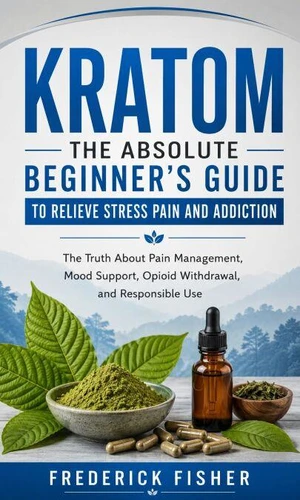
Kratom: The Absolute Beginner's Guide to Relieve Stress Pain and Addiction
Kratom has been used since the ancient times in treating a variety of health concerns and for recreational purposes. It is now available in different forms and the products vary in potency and effect. This is considered a good form of an alternative treatment but must always be taken in moderation because too much of it can cause side effects and addiction. This book gives you a better understanding of the right dosage of kratom you need to take given your condition.
It also takes a deeper look into each condition to help you understand the problem and the other ways to address them aside from kratom use.
Inside, readers will learn:
.The difference between traditional kratom leaf, extracts, and gas-station products
.Evidence-based discussion of kratom for chronic pain and opioid withdrawal
.Risks including tolerance, dependence, side effects, and drug interactions
.Who should avoid kratom entirely and why
.Practical harm-reduction guidance and responsible use principles
.The future of kratom research, regulation, and medical potential
Kratom has been used for centuries and has proven to have incredible effects on many problems.
Over the years, many researchers have tried to spread awareness about kratom use, but the authorities in many countries have blocked the use of kratom and made it illegal in their specific countries, therefore depriving its people of this natural treatment for pain and addiction. Botanists described this plant as a substitute used for opium, which was widely used in southeast asia. Peasants and workers used kratom to manage pain and to stimulate energy.
Opium was usually unavailable or too expensive.
Over the years, many researchers have tried to spread awareness about kratom use, but the authorities in many countries have blocked the use of kratom and made it illegal in their specific countries, therefore depriving its people of this natural treatment for pain and addiction. Botanists described this plant as a substitute used for opium, which was widely used in southeast asia. Peasants and workers used kratom to manage pain and to stimulate energy.
Opium was usually unavailable or too expensive.