SOLDES
Jusqu'à -70% sur une sélection d'articles*
Dernière sortie
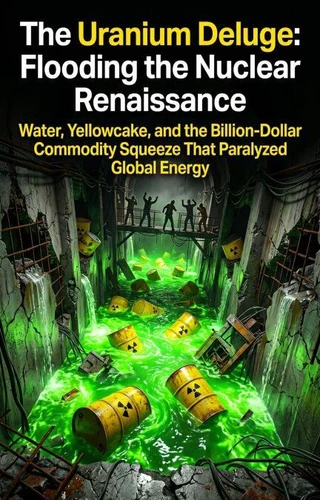
The Uranium Deluge: Flooding the Nuclear Renaissance
What happens when a single, catastrophic rush of subterranean water wipes out the future supply of the world's most critical radioactive resource? In 2006, the catastrophic flooding of the Cigar Lake mine in Canada instantly erased a massive percentage of the anticipated global uranium supply, triggering an unprecedented panic in the energy markets.
As the nuclear renaissance was just beginning to gain momentum, utility companies and hedge funds suddenly realized there was not enough "yellowcake" (processed uranium ore) to power the world's reactors.
A vicious commodity squeeze ensued. Uranium spot prices skyrocketed from $20 to nearly $140 a pound in a matter of months, creating fortunes for speculators while holding global energy grids financially hostage. This rigorous macroeconomic autopsy dissects the fragility of the radioactive supply chain. It explores the extreme geotechnical engineering required to freeze underground rivers, the secretive nature of nuclear fuel contracts, and the terrifying vulnerability of global energy infrastructure to a single cracked rock. Understand the geopolitics of the atom.
The Uranium Deluge proves that the transition to clean nuclear energy is entirely dependent on the incredibly fragile, highly localized extraction of the earth's rarest metals.
A vicious commodity squeeze ensued. Uranium spot prices skyrocketed from $20 to nearly $140 a pound in a matter of months, creating fortunes for speculators while holding global energy grids financially hostage. This rigorous macroeconomic autopsy dissects the fragility of the radioactive supply chain. It explores the extreme geotechnical engineering required to freeze underground rivers, the secretive nature of nuclear fuel contracts, and the terrifying vulnerability of global energy infrastructure to a single cracked rock. Understand the geopolitics of the atom.
The Uranium Deluge proves that the transition to clean nuclear energy is entirely dependent on the incredibly fragile, highly localized extraction of the earth's rarest metals.