SOLDES
Jusqu'à -70% sur une sélection d'articles*
Dernière sortie
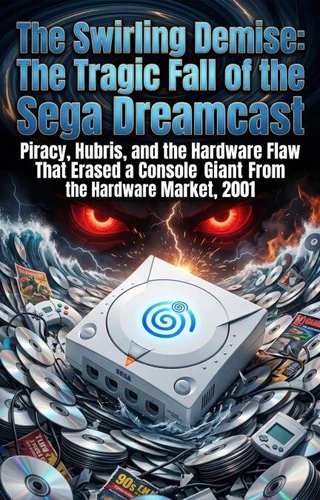
The Swirling Demise: The Tragic Fall of the Sega Dreamcast
How does a video game console that introduced the world to built-in online multiplayer, revolutionary graphics, and an incredibly diverse library of games end up dead just two years after its spectacular launch, permanently forcing its creator out of the hardware business? The fall of the Sega Dreamcast is the most heartbreaking commercial tragedy in gaming history.
Determined to beat the upcoming PlayStation 2 to market, Sega launched the Dreamcast with a proprietary disc format called the GD-ROM to prevent piracy.
However, in a catastrophic engineering oversight, Sega left the console backward-compatible with standard CD-Rs to play music and older media. Hackers quickly realized they could simply burn Dreamcast games onto cheap, blank CDs and bypass the security entirely without even needing to physically modify the console. Rampant, frictionless piracy absolutely decimated global software sales, financially bleeding Sega dry just as Sony's massive marketing machine arrived to finish them off. This nostalgic and analytical gaming history dissects the end of the 90s console wars.
It documents the visionary genius behind Sega's online network, the brutal economics of hardware manufacturing, and the painful boardroom decision to pivot entirely to third-party software. Witness the death of a hardware empire. The Sega Dreamcast proves that being technologically years ahead of the competition means absolutely nothing if your security architecture can be defeated by a blank CD.
However, in a catastrophic engineering oversight, Sega left the console backward-compatible with standard CD-Rs to play music and older media. Hackers quickly realized they could simply burn Dreamcast games onto cheap, blank CDs and bypass the security entirely without even needing to physically modify the console. Rampant, frictionless piracy absolutely decimated global software sales, financially bleeding Sega dry just as Sony's massive marketing machine arrived to finish them off. This nostalgic and analytical gaming history dissects the end of the 90s console wars.
It documents the visionary genius behind Sega's online network, the brutal economics of hardware manufacturing, and the painful boardroom decision to pivot entirely to third-party software. Witness the death of a hardware empire. The Sega Dreamcast proves that being technologically years ahead of the competition means absolutely nothing if your security architecture can be defeated by a blank CD.