Dernière sortie
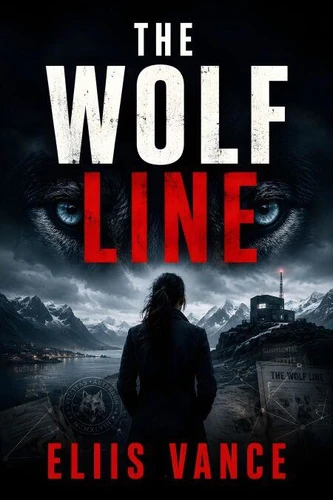
The Wolf Line
THE WOLF LINESome secrets are meant to disappear. Some are meant to survive. Detective Liv has spent most of her life believing that the dead stay dead. Her father is gone. Her mother died when Liv was a child. The painful questions surrounding her family have long since been buried beneath years of silence. Until a mysterious transmission leads Liv to a secret that should not exist. Hidden beneath the mountains is evidence of an organization that has operated across Europe for generations.
Its members call themselves the Custodians-men and women who have quietly collected information, influenced governments, erased identities, and protected secrets powerful enough to destroy lives. But the deeper Liv goes, the more personal the mystery becomes. Her parents were connected to the Custodians. Her mother's death may have been a carefully constructed lie. Her father's disappearance was not what Liv believed.
And somewhere in the shadows, someone has been watching her for years. When Liv and Erik uncover an old photograph that places her supposedly dead mother at the center of the secret network, Liv's entire understanding of her family begins to collapse. Then someone reaches the mountain. A voice comes from behind a locked steel door. A voice Liv knows. A voice that should be impossible. Her father's.
Now Liv must uncover the truth before the people who built the Wolf Line find her first. Because the Wolf Line isn't simply a secret organization. It is a legacy. A network built on fear, loyalty, betrayal, and information. And Liv is about to discover that the most dangerous secret isn't what the Custodians have hidden from the world. It's what they have been waiting for. The Wolf Line is a gripping psychological conspiracy thriller filled with secret organizations, buried family histories, dangerous revelations, atmospheric settings, unexpected betrayals, and a determined detective confronting a mystery that reaches far beyond her own past.
If you love intelligent mysteries, Scandinavian-style atmosphere, secret networks, psychological suspense, and twists that change everything you thought you knew, The Wolf Line will keep you turning the pages until the final revelation.
Its members call themselves the Custodians-men and women who have quietly collected information, influenced governments, erased identities, and protected secrets powerful enough to destroy lives. But the deeper Liv goes, the more personal the mystery becomes. Her parents were connected to the Custodians. Her mother's death may have been a carefully constructed lie. Her father's disappearance was not what Liv believed.
And somewhere in the shadows, someone has been watching her for years. When Liv and Erik uncover an old photograph that places her supposedly dead mother at the center of the secret network, Liv's entire understanding of her family begins to collapse. Then someone reaches the mountain. A voice comes from behind a locked steel door. A voice Liv knows. A voice that should be impossible. Her father's.
Now Liv must uncover the truth before the people who built the Wolf Line find her first. Because the Wolf Line isn't simply a secret organization. It is a legacy. A network built on fear, loyalty, betrayal, and information. And Liv is about to discover that the most dangerous secret isn't what the Custodians have hidden from the world. It's what they have been waiting for. The Wolf Line is a gripping psychological conspiracy thriller filled with secret organizations, buried family histories, dangerous revelations, atmospheric settings, unexpected betrayals, and a determined detective confronting a mystery that reaches far beyond her own past.
If you love intelligent mysteries, Scandinavian-style atmosphere, secret networks, psychological suspense, and twists that change everything you thought you knew, The Wolf Line will keep you turning the pages until the final revelation.
Les livres de Eliis Vance



The Silent Snowfield
E-book
3,49 €

The Stranger in Venice
E-book
2,99 €

2,99 €

The Shadow of Svalbard
E-book
3,49 €

The Midnight Passenger
E-book
3,49 €

Nachtflug 707
E-book
3,49 €

3,49 €

3,49 €

She Never Left the House
E-book
3,49 €