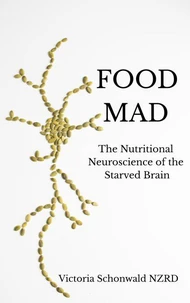
When a brain is starved, it cannot think flexibly, rationally, or safely. It cannot weigh consequences, regulate emotion, or respond to reason. It is not a brain in recovery, it is a brain in crisis. And the only way to change that is food. Food Mad: The Nutritional Neuroscience of a Starved Brain is a guide to understanding what starvation does to the human brain, and what nutritional rehabilitation can undo.
Written by Victoria Schonwald, a Registered Dietitian specialising in eating disorder recovery, it translates the neuroscience of restriction, refeeding, and recovery into plain, compassionate, and clinically grounded language. This book is for patients navigating recovery, families and caregivers trying to understand what their loved one is experiencing, and clinicians who want a clear, science-backed resource to share.
It addresses the biology behind the behaviours, why a starved brain resists recovery, why food is the first intervention, and why understanding the neuroscience changes everything about how we support the people we care for. Food Mad does not preach, frighten, or overwhelm. It sets first things first, and explains, with clarity and kindness, why nutrition is where healing begins.
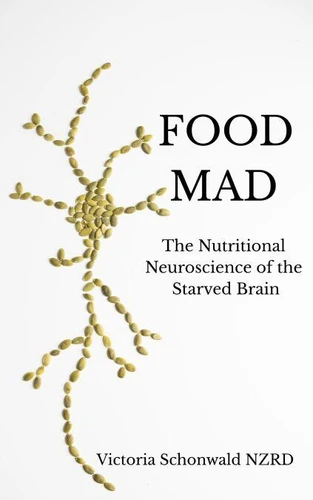
When a brain is starved, it cannot think flexibly, rationally, or safely. It cannot weigh consequences, regulate emotion, or respond to reason. It is not a brain in recovery, it is a brain in crisis. And the only way to change that is food. Food Mad: The Nutritional Neuroscience of a Starved Brain is a guide to understanding what starvation does to the human brain, and what nutritional rehabilitation can undo.
Written by Victoria Schonwald, a Registered Dietitian specialising in eating disorder recovery, it translates the neuroscience of restriction, refeeding, and recovery into plain, compassionate, and clinically grounded language. This book is for patients navigating recovery, families and caregivers trying to understand what their loved one is experiencing, and clinicians who want a clear, science-backed resource to share.
It addresses the biology behind the behaviours, why a starved brain resists recovery, why food is the first intervention, and why understanding the neuroscience changes everything about how we support the people we care for. Food Mad does not preach, frighten, or overwhelm. It sets first things first, and explains, with clarity and kindness, why nutrition is where healing begins.