SOLDES
Jusqu'à -70% sur une sélection d'articles*
Dernière sortie
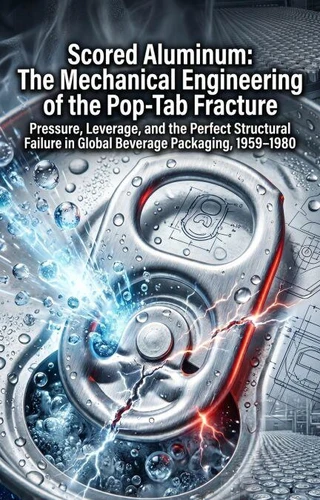
Scored Aluminum: The Mechanical Engineering of the Pop-Tab Fracture
Have you ever considered the mechanical miracle required to keep a heavily carbonated beverage perfectly sealed under intense internal pressure, yet easily opened by the casual flick of a human finger? The modern aluminum beverage can is an unsung masterpiece of structural engineering, specifically relying on the physics of the pop-tab fracture.
Before the invention of the integrated stay-on tab in the late 1970s, opening a drink required a separate, sharp piercing tool.
The genius of the modern design lies in microscopic material science. The lid of the can is meticulously scored-cut to a highly specific fractional depth. It must remain thick enough to withstand 90 pounds of internal fluid pressure, yet thin enough that the small aluminum ring acts as a second-class lever, effortlessly snapping the scored metal along a predetermined fault line without dropping jagged shrapnel into the liquid. This fascinating historical breakdown dissects the multi-billion-dollar evolution of everyday packaging.
It explores the metallurgical trial-and-error, the massive industrial stamping machines, and the seamless integration of physics into billions of disposable consumer products. Uncover the genius of deliberate destruction. The pop-tab perfectly illustrates how modern industrial manufacturing relies on engineering precise, highly controlled structural failures.
The genius of the modern design lies in microscopic material science. The lid of the can is meticulously scored-cut to a highly specific fractional depth. It must remain thick enough to withstand 90 pounds of internal fluid pressure, yet thin enough that the small aluminum ring acts as a second-class lever, effortlessly snapping the scored metal along a predetermined fault line without dropping jagged shrapnel into the liquid. This fascinating historical breakdown dissects the multi-billion-dollar evolution of everyday packaging.
It explores the metallurgical trial-and-error, the massive industrial stamping machines, and the seamless integration of physics into billions of disposable consumer products. Uncover the genius of deliberate destruction. The pop-tab perfectly illustrates how modern industrial manufacturing relies on engineering precise, highly controlled structural failures.