OFFRE LISEUSES
Une liseuse achetée = une housse offerte* jusqu'au 21 juin
Dernière sortie
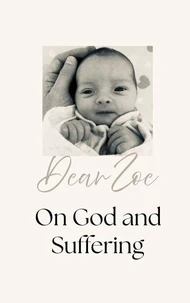
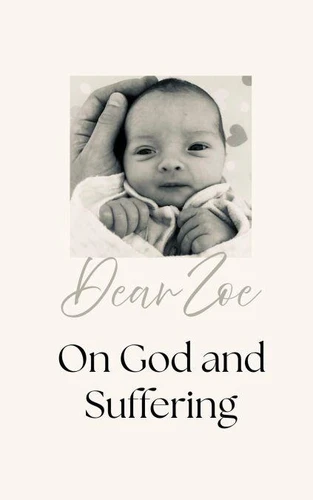
Dear Zoe, on God & Suffering
For thousands of years, the problem of suffering has been theology's open problem - and ours. Every answer on offer, from the pulpit, from the philosophers, from the academics, has either shrunk God to make the arithmetic work, or offered a comfort everyone in the room sits with quietly, knowing it is not enough. This letter assembles a different answer. Drawing on the Book of Job, Viktor Frankl, Carl Jung, Auschwitz, Rwanda, the Ramayana, and the contemplative traditions of East and West, it traces an argument the Christian tradition has held in its hands but never quite put together: that suffering is not the enemy of faith, but the very foundation a more complete faith can be built upon.
And it does not flinch from the question beneath the question - not only why we suffer, but whether the God who allows it can still be called good. When his daughter turned seven, Len Wiens began writing her a letter. Not about theology, but about everything he had found: what science and philosophy can and cannot say about God, what direct spiritual experience reveals, and what the mystics of every enlightenment tradition reported when they went deep enough.
He put it in writing because one day she would need it, and he might not be there to give it to her. It offers his daughter - and anyone willing to look without flinching - an honest answer to stand on when the weight comes.
And it does not flinch from the question beneath the question - not only why we suffer, but whether the God who allows it can still be called good. When his daughter turned seven, Len Wiens began writing her a letter. Not about theology, but about everything he had found: what science and philosophy can and cannot say about God, what direct spiritual experience reveals, and what the mystics of every enlightenment tradition reported when they went deep enough.
He put it in writing because one day she would need it, and he might not be there to give it to her. It offers his daughter - and anyone willing to look without flinching - an honest answer to stand on when the weight comes.