SOLDES
Jusqu'à -70% sur une sélection d'articles*
- Accueil /
- Thabile Chiliza
Thabile Chiliza

Dernière sortie
TOO HUMAN TO NAME: Why We Prefer Monsters To Mirrors
Every major trial ends with a collective exhale. The verdict is read, a label is applied, evil, psychopath, monster and we breathe again. The predator is contained. We are safe. We are nothing like them. But what if the courtrooms and the documentaries have been missing the most uncomfortable truth of all?Too Human To Name examines thirteen of the most compelling criminal cases of the past three decades and asks the question no verdict is required to answer: not who, and not how, but why at the level where shame, self-preservation, and ordinary human feeling operate, far beneath the surface that law can reach.
Oscar Pistorius did not kill Reeva Steenkamp in a panic. He killed the threat to a story he could not survive losing. Lucy Letby's flatness held through weeks of testimony about dead babies and broke the moment one man appeared on a courtroom screen. Jens Söring is still performing the betrayal. Elizabeth Haysom left the theatre decades ago. Patsy Ramsey dressed her daughter in the costumes of her own unlived identity.
Kouri Richins wrote a children's book about the grief she created. Rosemary Ndlovu wore the uniform of protection and used it as the instrument of everything protection is supposed to prevent. In each case, the world accepted a motive. In each case, something more ordinary and more disturbing was left unnamed. Strategic auditor and behavioural analyst Thabile R. Chiliza pulls the thread that courts are not designed to pull.
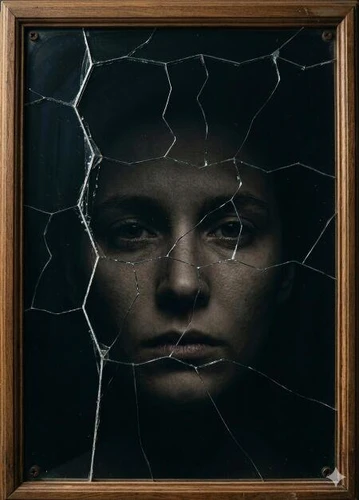
Drawing on forensic detail, court records, and a forensic reading of human behaviour under pressure, she proposes a different framework: that the most dangerous stories are the ones we build our identities around, and that the distance between ordinary human feeling and irreversible human harm is not a chasm. It is a series of smaller decisions. Too Human To Name is not a study of monsters. It is a mirror held up to the motives we prefer not to name, because naming them requires looking at something uncomfortably close to home.
Oscar Pistorius did not kill Reeva Steenkamp in a panic. He killed the threat to a story he could not survive losing. Lucy Letby's flatness held through weeks of testimony about dead babies and broke the moment one man appeared on a courtroom screen. Jens Söring is still performing the betrayal. Elizabeth Haysom left the theatre decades ago. Patsy Ramsey dressed her daughter in the costumes of her own unlived identity.
Kouri Richins wrote a children's book about the grief she created. Rosemary Ndlovu wore the uniform of protection and used it as the instrument of everything protection is supposed to prevent. In each case, the world accepted a motive. In each case, something more ordinary and more disturbing was left unnamed. Strategic auditor and behavioural analyst Thabile R. Chiliza pulls the thread that courts are not designed to pull.
Drawing on forensic detail, court records, and a forensic reading of human behaviour under pressure, she proposes a different framework: that the most dangerous stories are the ones we build our identities around, and that the distance between ordinary human feeling and irreversible human harm is not a chasm. It is a series of smaller decisions. Too Human To Name is not a study of monsters. It is a mirror held up to the motives we prefer not to name, because naming them requires looking at something uncomfortably close to home.
Every major trial ends with a collective exhale. The verdict is read, a label is applied, evil, psychopath, monster and we breathe again. The predator is contained. We are safe. We are nothing like them. But what if the courtrooms and the documentaries have been missing the most uncomfortable truth of all?Too Human To Name examines thirteen of the most compelling criminal cases of the past three decades and asks the question no verdict is required to answer: not who, and not how, but why at the level where shame, self-preservation, and ordinary human feeling operate, far beneath the surface that law can reach.
Oscar Pistorius did not kill Reeva Steenkamp in a panic. He killed the threat to a story he could not survive losing. Lucy Letby's flatness held through weeks of testimony about dead babies and broke the moment one man appeared on a courtroom screen. Jens Söring is still performing the betrayal. Elizabeth Haysom left the theatre decades ago. Patsy Ramsey dressed her daughter in the costumes of her own unlived identity.
Kouri Richins wrote a children's book about the grief she created. Rosemary Ndlovu wore the uniform of protection and used it as the instrument of everything protection is supposed to prevent. In each case, the world accepted a motive. In each case, something more ordinary and more disturbing was left unnamed. Strategic auditor and behavioural analyst Thabile R. Chiliza pulls the thread that courts are not designed to pull.
Drawing on forensic detail, court records, and a forensic reading of human behaviour under pressure, she proposes a different framework: that the most dangerous stories are the ones we build our identities around, and that the distance between ordinary human feeling and irreversible human harm is not a chasm. It is a series of smaller decisions. Too Human To Name is not a study of monsters. It is a mirror held up to the motives we prefer not to name, because naming them requires looking at something uncomfortably close to home.
Oscar Pistorius did not kill Reeva Steenkamp in a panic. He killed the threat to a story he could not survive losing. Lucy Letby's flatness held through weeks of testimony about dead babies and broke the moment one man appeared on a courtroom screen. Jens Söring is still performing the betrayal. Elizabeth Haysom left the theatre decades ago. Patsy Ramsey dressed her daughter in the costumes of her own unlived identity.
Kouri Richins wrote a children's book about the grief she created. Rosemary Ndlovu wore the uniform of protection and used it as the instrument of everything protection is supposed to prevent. In each case, the world accepted a motive. In each case, something more ordinary and more disturbing was left unnamed. Strategic auditor and behavioural analyst Thabile R. Chiliza pulls the thread that courts are not designed to pull.
Drawing on forensic detail, court records, and a forensic reading of human behaviour under pressure, she proposes a different framework: that the most dangerous stories are the ones we build our identities around, and that the distance between ordinary human feeling and irreversible human harm is not a chasm. It is a series of smaller decisions. Too Human To Name is not a study of monsters. It is a mirror held up to the motives we prefer not to name, because naming them requires looking at something uncomfortably close to home.
