OFFRE LISEUSES
Une liseuse achetée = une housse offerte* jusqu'au 21 juin
Dernière sortie
Jumbled Path
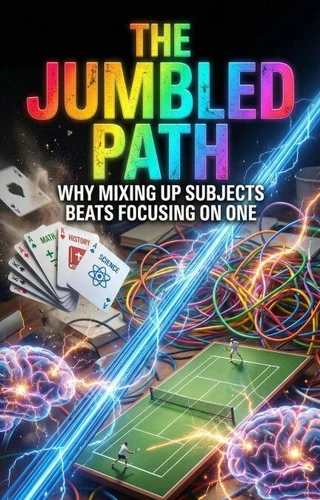
Teachers and students love "blocked practice"-studying history for an hour, then math for an hour. It feels organized and efficient. But cognitive science proves it is the wrong way to learn. The brain learns best when information is "interleaved, " or mixed up, forcing it to constantly reload and recontextualize skills.
"The Jumbled Path" translates the science of interleaving into a practical guide.
It explains why a tennis player should not hit 50 forehands in a row, but mix forehands, backhands, and volleys randomly. It shows why frustration during study is actually a sign of deep encoding ("desirable difficulty") and how to restructure your learning habits to embrace the chaos that leads to mastery.
It explains why a tennis player should not hit 50 forehands in a row, but mix forehands, backhands, and volleys randomly. It shows why frustration during study is actually a sign of deep encoding ("desirable difficulty") and how to restructure your learning habits to embrace the chaos that leads to mastery.